Exploring the wonders of northern Japan doesn’t have to be complicated or costly. With the JR East Pass, the sprawling network of high-speed Shinkansen and local trains becomes your personal gateway to adventure. As of March 2026, the regional pass system has undergone its most significant update in years, offering travelers more flexibility than ever before. Navigating the reservation system and choosing the right sightseeing spots can be tricky for first-timers. In this comprehensive guide, I’ll walk you through everything from where to purchase your pass, tips for smooth ticket collection, insider advice on securing Shinkansen seats, and carefully crafted routes to ensure you don’t miss a single highlight.
2026 JR East Pass: What's New?
The JR East Pass is a discounted rail ticket for international travelers (including foreign residents in Japan) that provides unlimited travel on JR East lines, including most Shinkansen and limited express trains.As of March 14, 2026, the system has been unified. The previous "Tohoku" and "Nagano/Niigata" area passes have been discontinued and merged into a single, more powerful pass that covers the entire East Japan region.
This simplifies trip planning, allowing you to cover a much larger area with just one pass. To match this expanded coverage, the pricing has been updated, and a new 10-day option is now available for deeper exploration.

🔸Key Features:
-
Expanded Coverage: The new pass combines the old "Tohoku area" and "Nagano & Niigata area" passes. It now covers all JR East lines across Tokyo, Tohoku, Nagano, and Niigata, along with several local railway lines .
-
New Validity Options: Available in 5-day and 10-day versions. Both must be used on consecutive days.
-
Unlimited Reserved Seats: You can book seats on Shinkansen and limited express trains for free.
-
Eligibility: Open to anyone with a non-Japanese passport. Unlike the national JR Pass, foreign residents living in Japan are also eligible for this pass.
- Simple Pickup: From April 1, 2026, passes purchased online can be picked up at designated ticket vending machines with passport readers at major stations, avoiding ticket office queues.
1. Area Covered
The JR East Pass covers the entire eastern half of Honshu (Japan's main island), spanning from Tokyo all the way to the northern tip of the country.The pass grants you unlimited use of trains and some buses across a vast area. Here is a breakdown of exactly what is included, organized for easy reference.
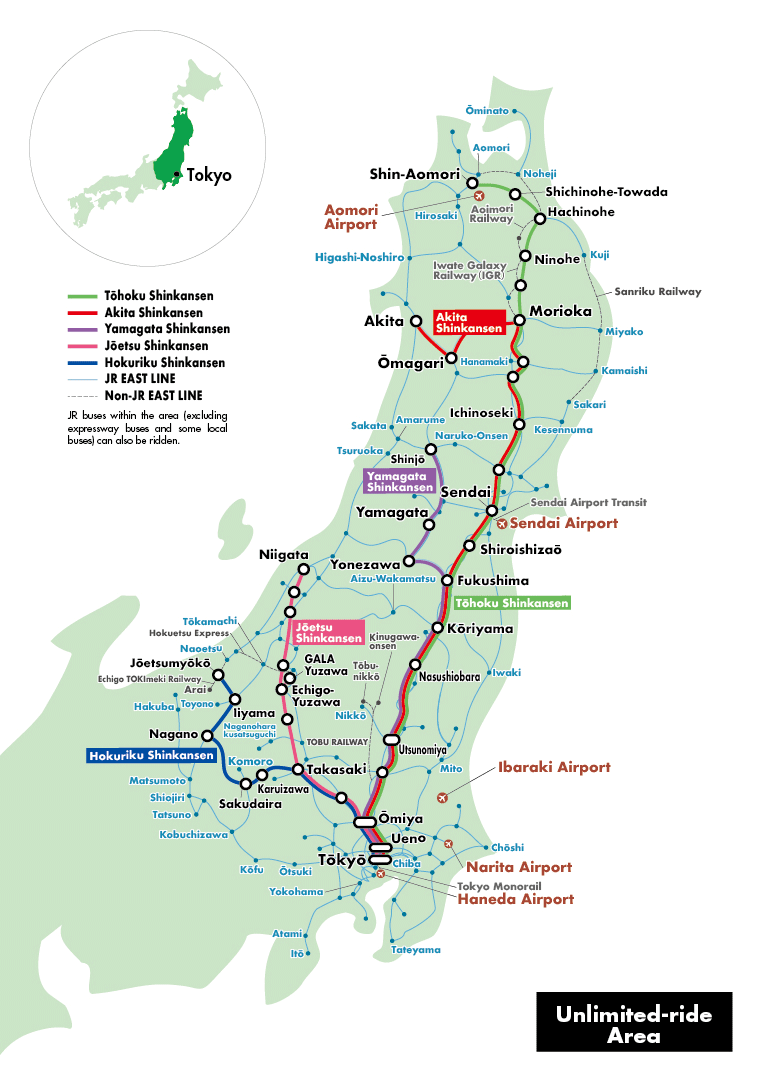
A. JR East Lines (The Core Network)
The pass provides unlimited rides on all JR East trains within the coverage area. This is the foundation of the pass.
|
Area |
Prefectures |
Key Hubs |
Major Lines |
|
The Tohoku Region (The North) |
Fukushima, Miyagi, Yamagata, Akita, Iwate, and Aomori |
Sendai, Morioka, Akita, and Shin-Aomori |
Tohoku Shinkansen, Akita Shinkansen, and Yamagata Shinkansen |
|
The Nagano & Niigata Region (The Alps/Coast) |
Nagano and Niigata |
Nagano, Matsumoto, Niigata, and Echigo-Yuzawa |
Joetsu Shinkansen and the JR East portion of the Hokuriku Shinkansen (up to Joetsumyoko) |
|
The Kanto/Greater Tokyo Area |
Tokyo, Kanagawa (Yokohama), Chiba, Saitama, Gunma, Tochigi (Nikko), and Ibaraki |
All major Tokyo stations (Shinjuku, Ueno, Tokyo, etc.), Narita Airport, and Haneda Airport |
Airport Access: Includes the Narita Express (N'EX) and the Tokyo Monorail (Haneda) |
B. Key Non-JR Lines & Private Railways
A major benefit of the pass is its coverage of several crucial non-JR lines that provide access to popular sightseeing areas, airports, and connecting routes.
|
Railway Line |
Section Covered |
Why It's Useful |
|
Tokyo Monorail |
Entire Line |
Connects Haneda Airport (HND) to central Tokyo (Hamamatsucho Station) . |
|
Aoimori Railway |
Entire Line |
Connects Aomori and Hachinohe in Aomori Prefecture . |
|
IGR Iwate Galaxy Railway |
Entire Line |
Connects Morioka and Hachinohe, linking with the Aoimori Railway . |
|
Sendai Airport Rail Line |
Entire Line |
Direct access from Sendai Airport (SDJ) to Sendai City . |
|
Sanriku Railway |
Entire Line |
Runs along the scenic Sanriku Coast in Iwate Prefecture . |
|
Hokuhoku Line |
Entire Line |
A scenic line through the mountains connecting Echigo-Yuzawa (Niigata) with Naoetsu . |
|
Echigo Tokimeki Railway |
Naoetsu to Arai |
A local line in Niigata Prefecture . |
|
Tobu Railway |
Limited Express & Local Trains |
Covers limited express trains (e.g., Nikko, SPACIA Nikko, Kinugawa) between Shinjuku and Tobu-Nikko / Kinugawa Onsen, as well as local trains in that area |
C. Local JR Bus Routes
The pass also covers select local JR bus routes, which are often essential for reaching hot springs, historical sites, and natural attractions not served by trains . Key examples include:
-
Buses from Aomori and Hachinohe to Lake Towada and the Oirase Gorge.
-
Buses from Chino Station to Takato Castle Ruins Park (seasonal, famous for cherry blossoms).
-
Buses from Naganohara-Kusatsuguchi Station to Kusatsu Onsen.
-
The BRT (Bus Rapid Transit) system along the Sanriku Coast.
⚠️Important Boundaries & Exclusions:
-
❶ Tokaido Shinkansen: This pass does NOT cover the Shinkansen to Kyoto, Osaka, or Nagoya (this is run by JR Central).
-
❷ Hokuriku Shinkansen Boundary: It is only valid as far as Joetsumyoko. If you continue toward Kanazawa or Toyama, you must pay for the JR West portion of the trip.
-
❸ Fujikyu Railway: It does not cover the private train to Mt. Fuji/Kawaguchiko (the JR Tokyo Wide Pass covers this, but the standard JR East Pass does not).
-
❹ Local Buses: Includes JR East local buses (like those to Lake Towada or Kusatsu Onsen), but does not include "Highway" (express) buses.
2. Pass Options & Pricing
The pass is now sold in two main durations, both of which must be used over consecutive days.
|
Pass Duration |
Adult (12+) |
Child (6–11) |
|
5-Day JR East Pass |
¥35,000 |
¥17,500 |
|
10-Day JR East Pass |
¥50,000 |
¥25,000 |
How to Buy & Pick Up?
Buying the JR East Pass
There are three ways to purchase the pass, but the official website is the only way to access the fastest pickup and pre-arrival seat reservations.
1. Buy Online (Official JR-East Site) — Highly Recommended
-
Where: JR-East Train Reservation
-
Benefits: You can reserve your Shinkansen seats for free online before you even arrive in Japan.
2. Buy via Travel Agency (Third-Party)
-
Where: Klook, KKday, JTB, or local agencies in your home country.
-
Constraint: You receive a voucher (e-ticket) that must be exchanged at a manned JR Travel Service Center. You cannot use the automated machines for these vouchers.
3. Buy at the Station (In Japan)
-
Where: At major JR East stations (Tokyo, Shinjuku, Ueno, etc.) using a Reserved Seat Ticket Vending Machine with a Passport Reader.
-
Constraint: You can only buy it once you are physically at the machine.
How to Pick Up?
The streamlined collection process starting April 1, 2026, is a major quality-of-life update for travelers. Historically, travelers had to wait in long queues at "Travel Service Centers" (often 60+ minutes at airports), but the new system allows for near-instant self-service.
Where to Find the Machines:
The Reserved Seat Ticket Vending Machines equipped with passport readers are located at major entry points and hubs. Look for machines marked with a passport icon and a QR code scanner.

|
Location |
Specific Areas |
|
Airports |
Narita (Terminal 1, 2, 3), Haneda (Terminal 3 - Tokyo Monorail area) |
|
Tokyo Hubs |
Tokyo Station, Shinjuku, Shibuya, Ikebukuro, Ueno, Shinagawa |
|
Regional Hubs |
Sendai, Matsumoto, Mito, and Morioka |
Click here to see where you can find Reserved Seat Ticket Vending Machines with passport readers.
What You Need to Collect:
To use the machine, you cannot just have a digital copy; you must have the physical items:
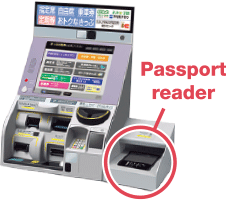
-
Your Original Passport: Must be the physical booklet with an embedded IC chip.
-
The "Temporary Visitor" Stamp: When you enter Japan, the immigration officer places a small white sticker/stamp in your passport. The machine's scanner must read this to verify your tourist status.
-
Order QR Code/Number: The confirmation email you received when purchasing the pass on the JR-East Train Reservation site.
⚠️Critical Exceptions:
-
❶ Residents vs. Tourists: While foreign residents can use the JR East Pass, they often cannot use the automated machines for collection because their passports lack the "Temporary Visitor" sticker. Residents must still visit a manned Travel Service Center window to show their Residence Card.
- ❷ Paper Vouchers (MCO): If you bought your pass from a third-party travel agent (receiving a physical paper "Exchange Order"), you cannot use the machines. You must exchange these at a manned ticket office.
How to Reserve Seats?
One of the best perks of the JR East Pass is that seat reservations are completely free and unlimited.While the pass allows unlimited rides, reserving a seat on popular Shinkansen and limited express trains is highly recommended, especially during peak travel seasons.
1. Online (Before or During Your Trip)
If you buy your pass through the official JR-East Train Reservation website, you can book your seats up to one month in advance.
-
The Benefit: Secure seats on popular trains like the Hayabusa (to Aomori) or the Resort Shirakami (scenic coast train) before they sell out.
-
The Process: Log in to your account, select "Reserve Seats with a Rail Pass," and choose your trains.
-
Pick Up: You must collect your physical seat tickets at a station vending machine or ticket office before boarding.
2. At the Station (Self-Service)
You can use the Reserved Seat Ticket Vending Machines (identifiable by their green/purple color) found at almost every JR East station.
-
Select Language: Choose English (or your preferred language) on the start screen.
-
Use Your Pass: Select "Reserve seat with discounted ticket" and insert your JR East Pass into the machine.
-
Scan & Book: Scan the QR code on your pass or enter your passport number if prompted.
-
Pick Your Seat: Choose your departure, destination, and train. You can even use a seat map to pick exactly where you want to sit (e.g., the right side for a view of Mt. Fuji).
-
Collect: The machine will print your reservation ticket and return your pass.
3. In Person (Ticket Offices)
If you have a complex itinerary or are traveling with a large group, you can visit any JR East Travel Service Center or a "Midori-no-Madoguchi" (Green Window) ticket office.Simply show your pass and tell the staff your destination. They will handle the booking and hand you your tickets.
‼️4 Rules You Need to Know:
-
❶ Mandatory Reservations: Certain trains like the Hayabusa (Tohoku), Komachi (Akita), and Kagayaki (Hokuriku) are all-reserved. You cannot board these with just the pass; you must have a seat ticket.
-
❷ The "6-Minute" Rule: Starting in 2026, you can book or pick up reservations at automated machines up to 6 minutes before the train departs.
-
❸ No Reservation Limit: Unlike some regional JR West passes that limit you to 6 online reservations, the JR East system allows unlimited seat bookings.
-
❹ Boarding Without a Ticket: If you are using a "Non-Reserved" car on a train that offers them, you don't need a seat ticket—just hop on and show your pass to the conductor if asked.
Best Itineraries & How to Maximize Value
The new JR East Pass is perfect for multi-city trips. Here are two itineraries that demonstrate how to make the most of it, from a fast-paced tour to an in-depth exploration.
5-Day Classic Tohoku & Highlights Itinerary
This route covers the must-see spots in Tohoku, starting and ending in Tokyo. The total transport cost without a pass would be around ¥61,990, making the ¥35,000 pass a fantastic value.
|
Day |
Route |
Key Attractions |
Transport (Covered by Pass) |
|
1 |
Tokyo → Shin-Aomori → Aomori |
Hirosaki Park (cherry blossoms), Nebuta Museum, Oirase Gorge |
Tohoku Shinkansen, JR Bus |
|
2 |
Aomori → Hachinohe → Morioka |
Morioka city walk, try Wanko Soba or Reimen (cold noodles) |
Tohoku Shinkansen, local trains |
|
3 |
Morioka → Akita → Oishida |
Kakunodate Samurai District, transfer to bus for Ginzan Onsen |
Akita Shinkansen, local trains |
|
4 |
Oishida → Yamagata → Sendai |
Yamadera Temple, or Zao Onsen & its "Snow Monsters" (winter) |
Local trains |
|
5 |
Sendai → Tokyo |
Visit Matsushima Bay or fox village, then Shinkansen back to Tokyo |
Tohoku Shinkansen |
10-Day Expanded Eastern Japan Loop Itinerary
With the new 10-day pass (¥50,000), you can venture further west to Nagano and Niigata. This itinerary builds on the first five days above.
|
Day |
Route |
Key Attractions |
Transport (Covered by Pass) |
|
6 |
Tokyo → Nikko |
Toshogu Shrine, Kegon Falls, Chuzenji Lake |
Limited Express "Nikko" |
|
7 |
Nikko → Nasushiobara → Koriyama |
Relax in Nasu Onsen or visit the Nasu Animal Kingdom |
Tohoku Shinkansen |
|
8 |
Koriyama → Aizuwakamatsu |
Tsuruga Castle, Ouchijuku (Edo-period post town) |
Local trains |
|
9 |
Aizuwakamatsu → Niigata → Echigo-Yuzawa |
Sake tasting in Niigata, then on to Echigo-Yuzawa for a hot spring |
Limited Express "Inaho", Joetsu Shinkansen |
|
10 |
Echigo-Yuzawa → Karuizawa → Tokyo |
Shopping at Karuizawa Prince Shopping Plaza, then back to Tokyo |
Hokuriku Shinkansen |
Tips for a Smooth Journey
-
Start Early: The new pass can be picked up from automated machines from April 1st, saving you time at the ticket office.
-
Reserve Ahead: For long-distance travel on Shinkansen, use the online portal or ticket machines to reserve seats in advance, especially during holiday periods.
-
Pack Light: Utilizing Japan's excellent takkyubin (luggage delivery) service between hotels can make your train travel much more comfortable.
-
Enjoy Local Flavors: Don't forget to grab an ekiben (station lunch box) at major stations like Sendai or Morioka for a delicious part of the travel experience.
-
Luggage Rules: If you are bringing "Oversized Baggage" (total dimensions >160cm), you must reserve a specific "Oversized Baggage Seat" on Shinkansen trains. This is free but limited.
-
Digital Suica: For local non-JR subways in Tokyo, add a Suica or PASMO to your Apple/Google Wallet for seamless transfers not covered by the pass.
Frequently Asked Auestions
Can I still buy the separate "Tohoku" or "Nagano/Niigata" passes?
No. As of March 14, 2026, those separate regional passes have been discontinued. They have been replaced by the single, unified JR East Pass which covers both areas (and everything in between) for one price.
I live in Japan on a work/student visa. Am I eligible?
Yes. Unlike the nationwide Japan Rail Pass (which is strictly for "Temporary Visitors"), the JR East Pass is available to any non-Japanese passport holder, including foreign residents, expats, and students living in Japan.
Does the pass cover the Shinkansen to Kyoto or Osaka?
No. The JR East Pass only covers the Tohoku, Joetsu, and Hokuriku (up to Joetsumyoko) Shinkansen lines. The line to Kyoto/Osaka is the Tokaido Shinkansen, which is operated by a different company (JR Central) and is not included.
Can I use the pass for the "Snow Monkey" bus or the Nikko local buses?
-
Nikko: Yes, the pass covers the JR buses in the Nikko area.
-
Snow Monkeys: No, the bus from Nagano Station to the Monkey Park is operated by the private Nagaden company and is not covered. However, the pass does cover many other local JR buses (like the one to Lake Towada).
What happens if I use an automated gate at the airport and don't get a stamp?
This is a common issue! The automated vending machines require the "Temporary Visitor" sticker to verify your status. If you use the automated gates, you must find an immigration officer immediately afterward to request the stamp. If you don't have it, you will have to go to a manned ticket window and may face difficulties or long wait times.
Is there a limit to how many seat reservations I can make?
There is no technical limit to the number of free seat reservations you can make with this pass. However, JR East asks that you only book trains you actually intend to board. If your plans change, please cancel your reservation at a machine so others can use the seat.
Can I use the 5 days whenever I want (e.g., Monday, Wednesday, Friday)?
No. As of the 2026 update, both the 5-day and 10-day passes are for consecutive days only. Once you activate the pass, the clock starts and does not stop until the 5 or 10 days are up.
Can I use the pass for luggage delivery (Takkyubin)?
No, the pass itself is for train travel only. However, using a luggage delivery service (like Yamato Transport) between hotels is an excellent way to travel light on the Shinkansen. You can often arrange this at your hotel's front desk.
What if I lose my pass?
Unfortunately, the JR East Pass is non-replaceable. If lost or stolen, a new one must be purchased. Keep it in a safe place, separate from your cash.