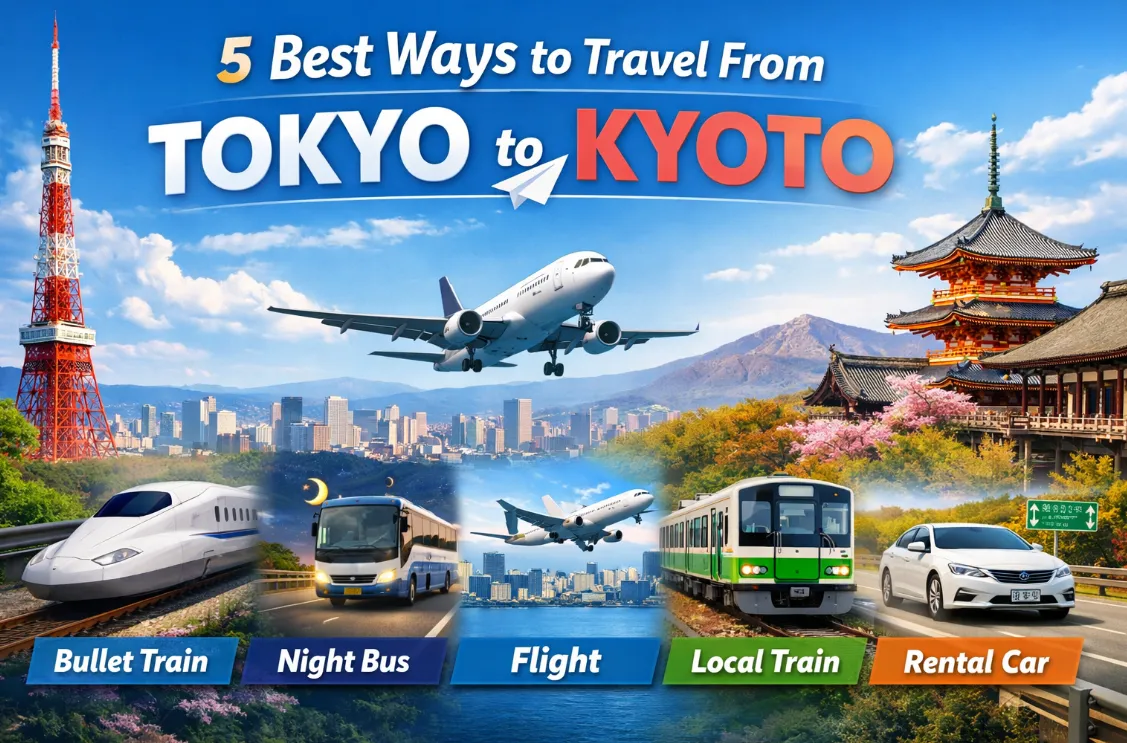
Planning a trip between Japan’s vibrant capital and its cultural heart? Traveling from Tokyo to Kyoto is one of the most popular routes for both first-time visitors and seasoned travelers. With multiple transportation options available — including high-speed rail, domestic flights, and long-distance buses — choosing the right one depends on your schedule, budget, and comfort preferences.In this guide, you’ll find a detailed comparison of travel times, ticket prices, booking methods, and the advantages and disadvantages of each option. Whether you’re looking for the fastest connection, the most budget-friendly solution, or a more scenic journey across Japan, this article will help you decide with confidence.
Best Ways To Travel From Tokyo To Kyoto: Quick Comparison
|
Mode |
Travel Time | Cost (One-Way) | Convenience | Comfort | Scenery |
|
🚄 Shinkansen (Bullet Train) |
2-4 hours | High (~¥13,000 - ¥19,000) | ⭐⭐⭐⭐⭐ | ⭐⭐⭐⭐⭐ | ⭐⭐⭐ |
|
🚌 Highway / Night Bus |
7-9 hours | Low (~¥3,500 - ¥10,000) | ⭐⭐ | ⭐⭐ | ⭐ |
|
✈️ Flying (via Osaka) |
3-4 hours (incl. transfers) | Medium (~¥10,000 - ¥20,000+) | ⭐⭐ | ⭐⭐⭐ | ⭐⭐⭐ |
|
🚋Local Trains |
9-10 hours | Low (¥8,500 – ¥9,000) | ⭐⭐ | ⭐⭐ | ⭐⭐⭐ |
|
🚗 Driving / Rental Car |
~6+ hours (driving only) | High (~¥15,000+ tolls/gas) | ⭐⭐ |
⭐⭐⭐ |
⭐⭐⭐⭐⭐ |
The Details Breakdown
1. The Shinkansen (Bullet Train) - The Best All-Rounder
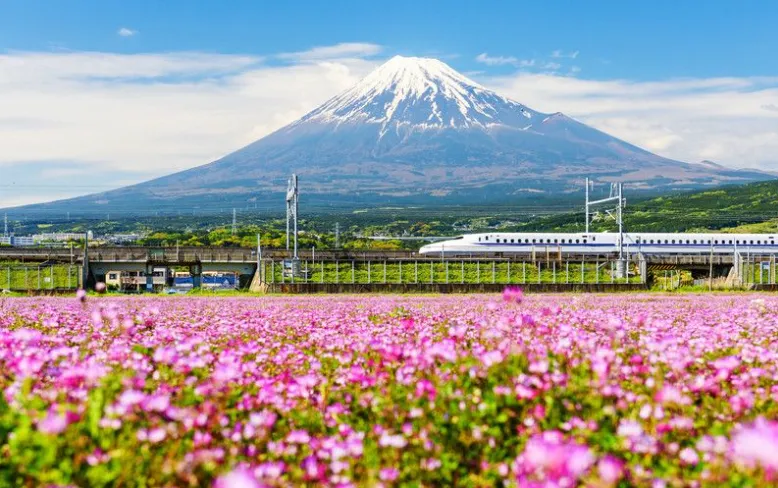
The Tokaido Shinkansen is the most popular and efficient method. Trains depart from Tokyo Station or Shinagawa Station every few minutes and arrive directly at Kyoto Station.For nearly all visitors, the Shinkansen is the best way to travel. It perfectly balances speed, comfort, and reliability, turning a simple transfer into a quintessential Japanese experience.
✔️Pros:
-
Super fast and comfortable.
-
Frequent departures (every ~10–15 min).
-
City-center to city-center,departs from central Tokyo Station/Shinagawa.
-
Large luggage racks.
- Ideal for day trips or tight itineraries.
❌Cons:
-
Most expensive rail option.
-
Strict rules on "Oversized Luggage" (requires a specific seat reservation).
-
JR Pass does not include Nozomi (but does cover Hikari/Kodama).
📍Best for: Most travelers. It offers the perfect balance of speed, comfort, and frequency.
Total Travel Time:
There are three types of trains on the Tokyo-Kyoto route.The travel time depends on which train service you choose:
-
Nozomi: The fastest, making the trip in about 2 hours and 10-15 minutes. This is the train you'll likely want to take.
-
Hikari: A bit slower (approx. 2 hours 40 minutes) as it makes a few more stops, but still a great option.
-
Kodama: The slowest service (around 3.5 to 4 hours), stopping at every station along the way. It's a good budget-friendly option with a special package.
Ticket Types and Costs:
Shinkansen ticket prices are modular, made up of a base fare, a limited express supplement, and a seat reservation fee. Here are the approximate one-way fares from Tokyo to Kyoto:
|
Seat Type |
Features |
Cost |
|
Non-reserved Seat (Jiyuseki) |
The most flexible and affordable option. You can board any train on the day of travel but aren't guaranteed a seat. If the train is full, you may have to stand. |
¥13,320 |
|
Reserved Seat (Shiteiseki) |
Guarantees you a specific seat on a specific train. It costs a little more but ensures you won't be standing, especially during busy times. |
¥13,650 - ¥13,970 |
|
Green Car |
The "first class" option, with wider, more comfortable seats in a quieter car. All seats are reserved. |
¥18,520 - ¥18,840 |
-
Children (Ages 6–11): Pay 50% of the adult fare.
-
Infants (Under 6): Travel for free if they sit on an adult's lap.
How to Book:
-
Online (Recommended): Use official portals like SmartEX or JR-West Online. You can book up to a month in advance and often link the ticket to an IC card for tap-and-go entry. You can also book through reliable third-party platforms like Klook, which offer English support and e-tickets.
-
At the Station: You can buy tickets at any JR East Travel Service Center (Midori-no-Madoguchi) or from ticket vending machines at Tokyo or Shinagawa Stations. While possible, this carries the risk of your preferred train being sold out during peak seasons.
2. Highway / Night Bus - The Budget Choice
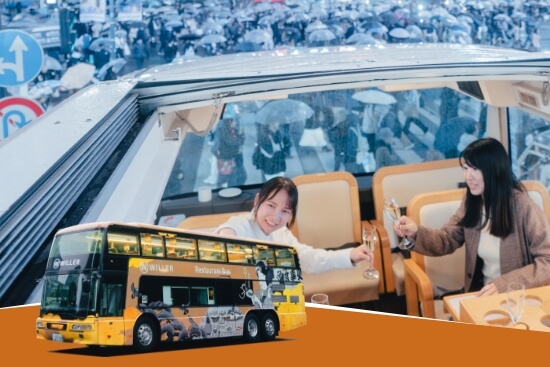
For travelers on a tight budget, highway buses offer a very affordable way to get to Kyoto. Overnight buses are a popular way to save on a night's accommodation.The journey takes over seven hours, but it costs a fraction of the train fare.
✔️Pros:
-
Cheapest regular public transport between the cities.
-
"Night Buses" save you the cost of one night’s hotel stay.
❌Cons:
-
Much slower than trains.
-
Less comfort and limited legroom on standard buses.
-
Potential for traffic delays.
📍Best for: Budget-conscious travelers and students.
Total Travel Time:
7 to 9 hours, depending on the route and number of stops.
Cost:
¥3,500 – ¥10,000 depending on the seat class and day of the week.
How to Book:
Book online through bus company websites or aggregator sites like Japan Bus Online, Japan Bus Tickets, Kosoku Bus, or Willer Express(WILLER TRAVEL). During peak seasons, booking well in advance is essential.
3. Flying (via Osaka) — Best for Transfers
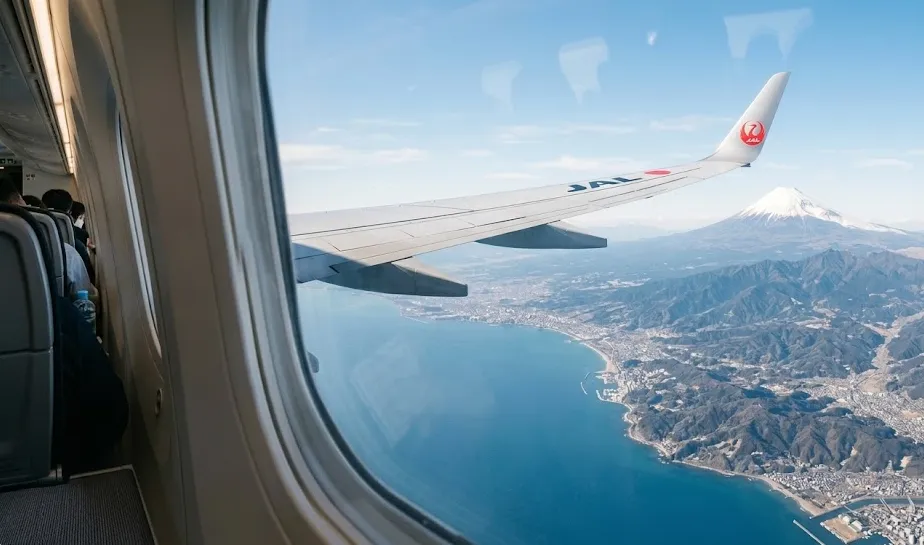
While flying might seem faster, the total travel time is often longer than the Shinkansen once you factor in travel to/from airports and check-in.You would fly from either Haneda (HND) or Narita (NRT) in Tokyo to Osaka's Itami (ITM) or Kansai International (KIX) airport. From there, you need to take a bus or train (30-60 mins) into Kyoto, as Kyoto does not have its own airport.
✔️Pros:
-
Can be cheaper than the Shinkansen if booked via Low-Cost Carriers (LCCs).
-
Good if you are already at Narita (NRT) or Haneda (HND) after an international flight.
-
Offers a different experience.
❌Cons:
-
Luggage fees on LCCs can be high.
-
Extra time for check-in/security.
-
Often no better overall time or cost than Shinkansen.
-
Airports are far from Kyoto (need transfer by train/bus).
-
Involves multiple transfers and waiting at airports, which can be stressful.
📍Best for: Only if you’re arriving elsewhere and already close to an airport.
Total Travel Time:
Approximately 3.5 to 4 hours (1.5-hour flight + time to/from airports and security).
Cost:
Can range from ¥10,000 to over ¥20,000 depending on the airline, how far in advance you book, and the season. Budget airlines can be cheap, but luggage fees may apply.
How to Book:
Book directly through airline websites (e.g., ANA, JAL, or budget carriers like Peach Aviation) or through international flight booking platforms like Skyscanner, Expedia, or Kayak.
4. Local Trains - The "Slow Travel" Choice
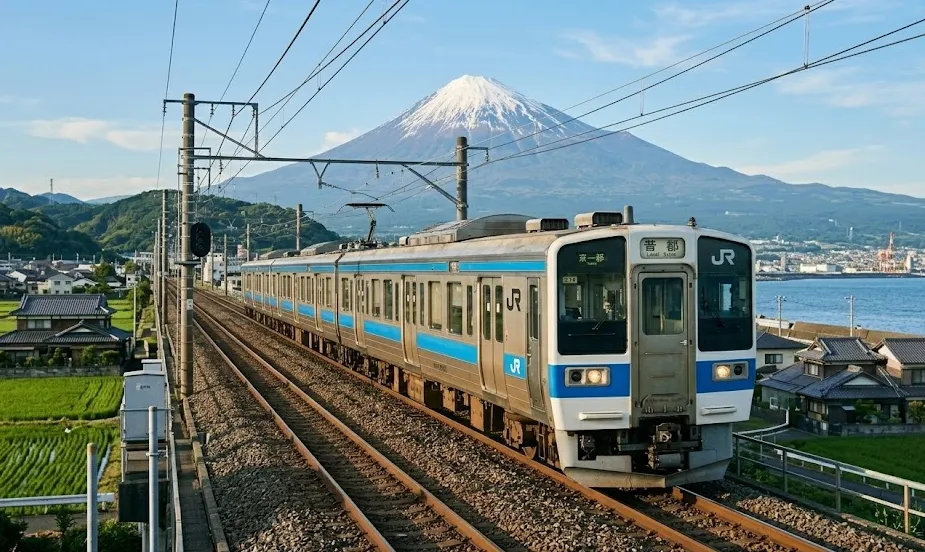
Traveling via local and rapid trains (non-Shinkansen) is for those who enjoy the journey as much as the destination. You’ll be following the Tokaido Main Line.
✔️Pros:
-
Cheapest possible if you have time.
-
Allows you to hop off at coastal towns like Atami or Shizuoka for lunch.
❌Cons:
-
Takes all day.
-
Exhausting with luggage.
-
Requires planning and transfers.
-
Local trains have commuter-style longitudinal seating (facing sideways), so you won't always have a window view or a table.
📍Best for: Ultra-budget travelers with time to spare or rail enthusiasts wanting the complete local experience.
Total Travel Time:
9 to 10 hours (requires 4–6 transfers at stations like Numazu, Hamamatsu, and Maibara).
Cost:
Approximately ¥8,500 – ¥9,000.
How to Book:
Booking "local" trains from Tokyo to Kyoto is fundamentally different from booking the Shinkansen. In fact, for most local trains, you don't "book" them at all.For standard local and rapid trains (the commuter-style trains), there are no reserved seats and no advance tickets.
-
The Process:
-
Add a digital Suica or ICOCA to your iPhone or Android wallet (or buy a physical card at the airport).
-
Check your route on Google Maps or Navitime (filter for "local trains only").
-
Tap your phone at the ticket gate in Tokyo.
-
Board the train and find any open seat.
-
Tap out when you reach Kyoto.
-
⚠️Note: Because the journey from Tokyo to Kyoto crosses different JR regional boundaries, a single "tap" might sometimes fail at the gate. If it does, simply go to the "Fair Adjustment" window at Kyoto Station, and the staff will manually deduct the balance (approx. ¥8,360).
5. Driving / Rental Car — Flexible But Costly
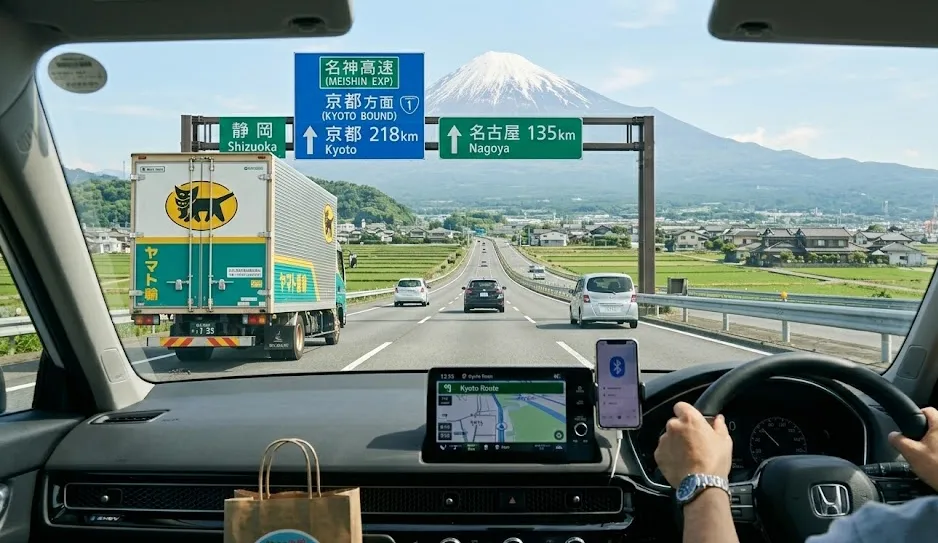
Driving gives you ultimate freedom to explore off-the-beaten-path locations, but it's generally not the most practical or efficient way to get directly from Tokyo to Kyoto.
✔️Pros:
-
Maximum flexibility to stop wherever you want.
-
Great for visiting rural areas or combining the trip with a visit to places like Hakone.
❌Cons:
-
Can be the most expensive option overall.
-
Long and potentially tiring journey.
-
Parking in Kyoto is difficult and expensive.
-
You need an International Driving Permit (IDP).
-
Expensive tolls & fuel.
📍Best for: Groups of 3-4 splitting costs; Travelers making multiple stops along the route; Those with specific destinations not accessible by train; Families with children needing flexibility or photographers wanting to stop for scenic shots.
Total Travel Time:
At least 6 hours of pure driving time, not including breaks, tolls, and potential traffic.
Cost:
Highly variable. Includes rental fee, fuel, and expensive expressway tolls. A one-way rental may also incur a drop-off fee.
How to Book:
Book through international rental agencies like Hertz or Avis, or Japanese companies like Times Car Rental and Nippon Rent-A-Car.
Summary Recommendation
-
First-timer? Take the Shinkansen (Nozomi). Book a "Seat E" for a chance to see Mt. Fuji on your right.
-
On a tight budget? Use Willer Express for an overnight bus.
-
Traveling with a family? The Shinkansen is easiest for strollers and provides "Oversized Baggage" areas (must be reserved).