Planning a trip from the neon lights of Tokyo to the snowy peaks of Niigata or the hot springs of Echigo-Yuzawa in 2026? The Joetsu Shinkansen remains the fastest and most reliable gateway to Japan’s "Snow Country."Connecting Tokyo with the majestic landscapes and renowned ski resorts of Niigata, this line is a favorite among both international tourists and local commuters.However,navigating Japan’s high-speed rail system can feel overwhelming without clear guidance for first-time visitors and seasoned travelers.From choosing the right departure time to deciding between reserved and non-reserved seating, small details can have a big impact on your travel experience. In this article, you’ll find a clear breakdown of updated train operations, ticket prices, and step-by-step purchasing options, helping you travel confidently from the capital to key destinations along the route.Read on for the complete 2026 Joetsu Shinkansen travel kit.
Part 1: What Is the Joetsu Shinkansen?
The Joetsu Shinkansen is a high-speed bullet train line operated by JR East (East Japan Railway Company) that connects Tokyo with Niigata and Japan’s scenic northwest, offering one of the fastest and most comfortable ways to travel between the Kanto region and the Sea of Japan coast. Popular with both business travelers and tourists, this line is known for its reliability, frequent departures, and easy connections to ski resorts, hot spring towns, and regional railways. Despite its name, it doesn't serve the city of Joetsu but is named after the historical provinces it connects, running services like the "Toki" and "Tanigawa," and featuring standard, Green (business), and premium GranClass seating.
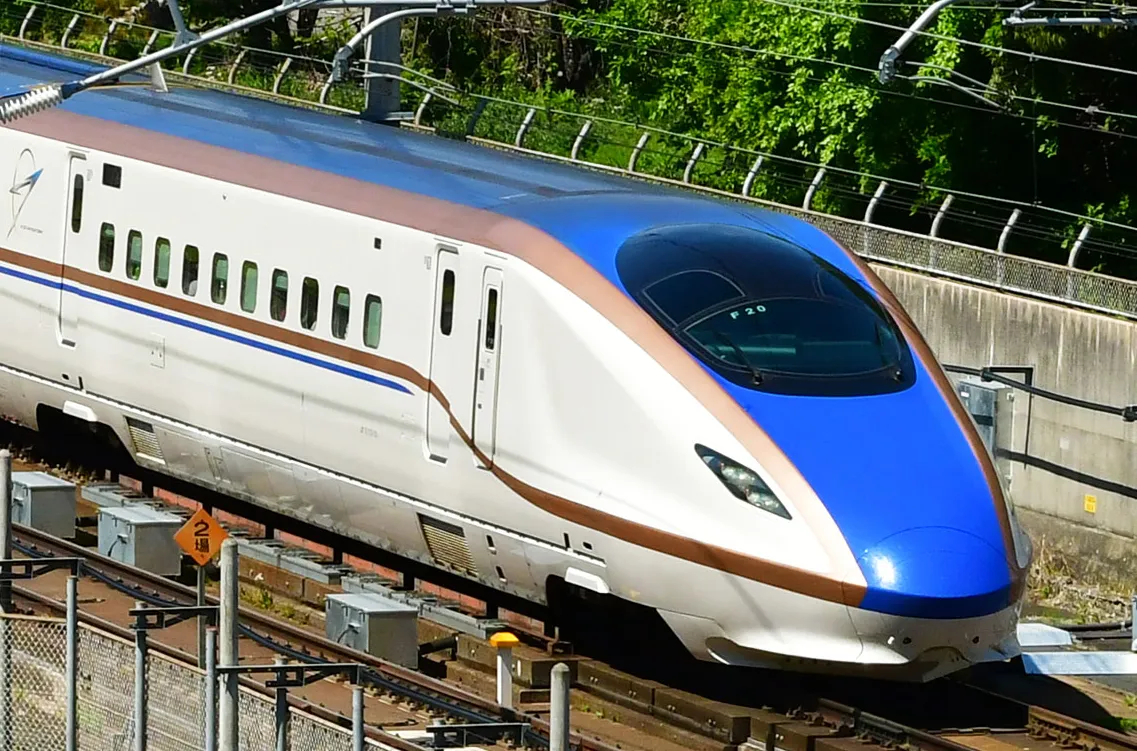
Key Highlights:
-
Maximum speed: 240 km/h (150 mph).
-
Travel time: as fast as ~1 hour 35 minutes.
-
Modern Fleet (E7 Series): Features white interiors with copper and blue accents, symbolizing Japanese craft and the sky.
-
Passenger Comfort: Includes electrical outlets at every seat, JR-East Free Wi-Fi, Western-style toilets with bidet functions, and multi-purpose rooms.
Accessibility: Equipped with Braille on seats, ostomate equipment, and wheelchair-accessible seating (requires advance notice).
Security: Enhanced security with cameras in aisles and near doors.
-
Scenic Journey: Travels through picturesque countryside.
-
Connectivity: Connects Tokyo to Niigata, offering limited-stop Toki trains and all-stop Tanigawa trains, with connections to the Hokuriku Shinkansen.
-
Winter Tourism: Serves Gala Yuzawa ski resort directly from the Shinkansen station, making it a popular winter route.
Part 2: Route and Key Stations
Main Route: Tokyo (Ueno & Tokyo Stations) to Niigata (Niigata Station), via Takasaki, Echigo-Yuzawa, and Urasa.The line shares tracks with the Tohoku and Hokuriku Shinkansen between Tokyo and Omiya before branching off toward the mountains.
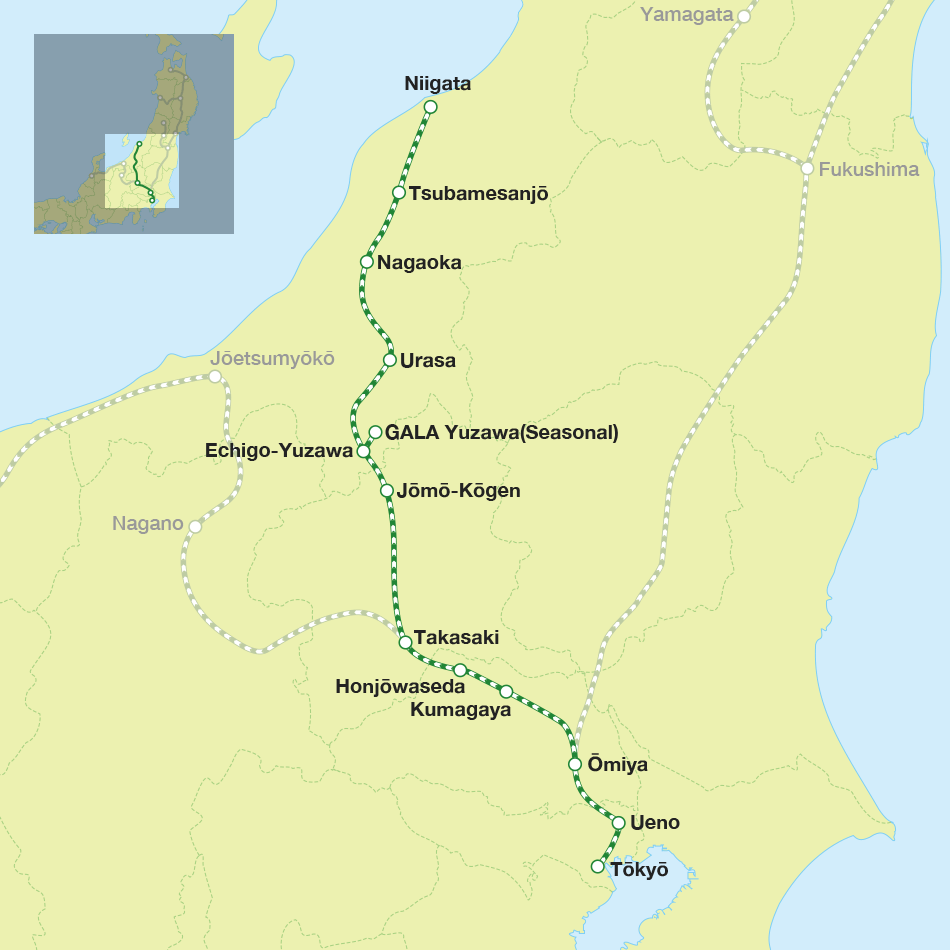
Major Stations:
|
Station |
Key Highlights |
|
Tokyo |
The main terminus; central hub for all Shinkansen lines. |
|
Ueno |
Easier to navigate than Tokyo Station; great for staying in North Tokyo. |
|
Omiya |
Major transit hub in Saitama; home to the Railway Museum. |
|
Takasaki |
Famous for Daruma dolls and transfer point to the Hokuriku Shinkansen. |
|
Echigo-Yuzawa |
The heart of ski country. Home to the Ponshukan sake tasting gallery. |
|
Gala Yuzawa |
Winter only (Dec–May). The only Shinkansen station that is also a ski resort base. |
|
Nagaoka |
Famous for one of Japan’s "Big Three" fireworks festivals (August). |
|
Niigata |
The terminus. Renowned for premium rice, fresh seafood, and historic port charm. |
Part 3: Train Types & On-Board Experience
There are two main services on this line. The older double-decker "Max" trains have been retired, and the line is primarily served by modern E7 Series trains.
A. Train Types
1. Toki (とき):
The all-stops "Local" service. Stops at all major stations including Echigo-Yuzawa and Niigata. Your primary train for ski destinations.

-
Main service on the line.
-
Stops at major stations.
-
Best balance of speed and convenience.
-
Recommended for most travelers.
2. Tanigawa (たにがわ):
Mostly serves the section between Tokyo and Echigo-Yuzawa. It stops at every station and is ideal for reaching ski resorts.

-
Shorter route (Tokyo ↔ Echigo-Yuzawa / Nagaoka).
-
Slightly slower, more stops.
-
Popular during ski season.
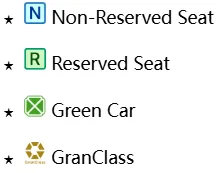
Symbol Guide:
B. Seating Classes
The Joetsu Shinkansen offers three main seating classes: Ordinary (Standard Economy) , Green Car (Business Class) , and luxurious GranClass (First Class) , all with forward-facing, reclining seats and power outlets, though GranClass and Green Car require extra fees/reservations.
|
Feature |
Ordinary Car |
Green Car |
GranClass |
|
Row Config |
3 + 2 |
2 + 2 |
2 + 1 |
|
Power Outlet |
Yes (all seats) |
Yes (all seats) |
Yes (all seats) |
|
Legroom |
Good |
Excellent |
Superior |
|
Flexibility |
Non-reserved available |
Reserved only |
Reserved only |
|
Price |
Base |
+ ~30-40% |
++ (Premium) |
1. Ordinary Car (Standard Class)
The most common and cost-effective way to travel.
-
Layout: 3+2 seating (three seats on one side, two on the other).
-
Best For: Budget-conscious travelers and families.
-
Features:
-
Generous legroom (approx. 104 cm pitch), significantly more than economy class on a plane.
-
Adjustable headrests and tray tables.
-
Reserved vs. Non-Reserved: Cars 1–5 are typically non-reserved (first-come, first-served), while Cars 6–10 are usually reserved.
-
2. Green Car (Business Class)
A significant step up in quietness and comfort, identified by the green four-leaf clover symbol on the outside of the train.
Layout: 2+2 seating (more elbow room and wider aisles).
-
Best For: Business travelers or those wanting a more peaceful environment.
-
Features:
-
Increased legroom (approx. 116 cm pitch).
-
Deeper seat recline with motorized leg rests.
-
Integrated reading lights and footrests.
-
⚠️Note: All seats in the Green Car (Car 11) must be reserved in advance.
-
3. GranClass (First Class)
The pinnacle of luxury rail travel in Japan, located in Car 12. It is designed to feel like a private jet on tracks.
-
Layout: 2+1 seating (only 18 seats per car).
-
Best For: Luxury seekers and special occasions.
-
Features:
-
Massive legroom (approx. 130 cm pitch) and seats that recline up to 45 degrees.
-
"Shell" seat design so you can recline without bothering the person behind you.
-
Wool carpets, genuine leather seats, and high-end privacy dividers.
-
-
Crucial Difference: On the Joetsu Shinkansen, GranClass is often "Seat Only" (no meal or attendant service). This makes it cheaper than GranClass on the Hokuriku or Tohoku lines, but you should bring your own snacks and drinks.
Part 4: Tickets, Passes & Seat Reservations
‼️ Key Information on Your Ticket/Pass:
-
Basic Fare + Limited Express Ticket: You need two tickets for a standard journey, covering the base fare and the express surcharge.
-
Seat Reservation Fee: For guaranteed seats in Ordinary or Green Cars (added cost).
-
Green Car Fee: For upgrade to more spacious, business-class style seats.
-
GranClass Fee: For the most luxurious, private seating with premium service (on E7 series trains).
A. How to Buy Joetsu Shinkansen Tickets
Here are the four best ways to buy your tickets.
✅ Online Reservation (Before Your Trip or In-Country)
This is the official platform for the Joetsu Shinkansen.You can book up to one month in advance. This is the only place to get "Tokudane" early-bird discounts (often 10–30% off).
-
Website: JR-East Train Reservation (Ekinet).
-
Best For: Securing seats well in advance, especially for weekend/holiday ski travel.
-
Steps:
-
Create an account (requires a valid email).
-
Search for your route: Tokyo/Ueno → Echigo-Yuzawa/Niigata.
-
Select train (Toki, Max Toki, Tanigawa), date, time, and seat preference (Window/Aisle, Smoking/Non-Smoking).
-
Choose your ticket type:
-
Without a JR Pass: Pay by credit card (Visa, MasterCard, Amex, JCB). You'll get a "Reservation-Only Ticket" (予約券 Yoyakuken).
-
With a JR Pass: Select the "JR Pass Holder" fare (¥0). You must have already exchanged your physical JR Pass voucher in Japan to link its number to your account.
-
-
Pick Up Your Tickets:
-
Go to any JR East Shinkansen Ticket Machine (look for the red "JR-EAST" logo and touch screen).
-
Insert the same credit card you used to book OR scan the QR code from your confirmation email/app.
-
Your tickets will be printed. You need BOTH your JR Pass AND the printed seat reservation ticket to board.
-
-
You can also buy Joetsu Shinkansen tickets on both Klook and KKday, with Klook often offering direct booking for specific routes like Tokyo to Niigata/Gala-Yuzawa, while KKday offers package deals, such as resort access with unreserved tickets. Both platforms provide convenience by offering QR codes for easy boarding, but remember that for complex routes or issues, JR official channels might be needed, and Klook/KKday tickets are usually for unreserved seats
✅ Ticket Machines (Easiest for Standard Tickets)
If you aren't sure of your exact travel time, you can buy tickets on the day at any major station.Found in all major stations (Tokyo, Ueno, Niigata, etc.). They have full English menus.
Steps at the Machine:
-
Touch "English" on the screen.
-
Select "Purchase Shinkansen Ticket" or "Reserved Seat."
-
Select your destination (e.g., Echigo-Yuzawa, Niigata).
-
Select your travel date, time, and train type (Toki, Tanigawa).
-
Choose Car and Seat (Window/Aisle). The system shows available seats on a car diagram.
-
Choose number of passengers.
-
Insert cash or tap/insert a credit card. (IC Cards like Suica can be used for payment at some machines).
-
Collect your ticket(s) and change.
🔺 Important: The machine issues a single ticket that is both your seat reservation and basic fare ticket. Keep it safe.
✅ JR Ticket Office (Midori-no-Madoguchi) みどりの窓口
The full-service counter with live staff. Ideal if you need help, have a JR Pass, or are making complex bookings.
The Steps:
-
Find the "Midori-no-Madoguchi" sign (green logo) in the station.
-
Take a numbered ticket from the machine if required.
-
When called, approach the counter.
-
Have this information ready (or written down):
-
Destination: "Echigo-Yuzawa" / "Niigata"
-
Date & Time: "December 25th, 10:00 AM departure"
-
Train: "Toki Shinkansen" (or "The earliest train")
-
Class: "Ordinary (Standard) Car"
-
Seats: "Two reserved seats, non-smoking, please"
-
If using a JR Pass: Hand over your physical JR Pass and say "I would like to reserve a seat with this JR Pass."
-
-
Pay (if not using a JR Pass) and receive your tickets. Staff will explain which tickets to keep.
✅ In-Person at a Travel Service Center
Often found in tourist hubs like Tokyo Station's "JR East Travel Service Center" (Marunouchi North Exit). Staff speak excellent English and are very tourist-savvy. The process is identical to the Ticket Office but with more language support.
🔺 Key Booking Tips:
-
Avoid "Smart EX": The popular Smart EX app used for Tokyo–Kyoto does not work for the Joetsu Shinkansen. You must use the JR East system.
-
Peak Season: If traveling during New Year (Dec 28 – Jan 5) or Obon (mid-August), reserved seats are mandatory on many trains. Book these at least 2 weeks in advance.
-
The "Base Fare" vs. "Limited Express" Ticket: If you buy physical tickets, the machine will usually spit out two cards. Insert both into the ticket gate at the same time.
-
IC Cards (Suica/PASMO): You cannot tap onto the Joetsu Shinkansen with just a Suica. You must buy a paper ticket. However, you can use a Suica to pay for the ticket at certain machines.
-
From Which Tokyo Station? Double-check if your train departs from Tokyo Station (most) or Ueno Station (some). It will be clearly marked on your ticket and reservation.
B. Typical Ticket Prices (One-Way)
Tokyo ↔ Niigata:
|
Seat Type |
Approx. Price (Adult) |
|
Ordinary — Non-Reserved |
¥10,230 |
|
Ordinary — Reserved |
¥10,560 |
|
Green Car (First Class) |
¥14,220 |
|
Gran Class (luxury) |
¥17,370 |
Tokyo ↔ Echigo-Yuzawa:
Typical fares are lower because the distance is shorter (~75–90 min).
|
Seat Type |
Approx. Price (Adult) |
|
Ordinary — Non-Reserved |
¥6,260 |
|
Ordinary — Reserved |
¥6,590 |
|
Green Car (First Class) |
¥8,860 |
|
Gran Class (luxury) |
¥12,010 |
⚠️Note: All prices are for Adult Ordinary Car. Children (6-11) are half price. Under 6 is free if they share a seat.
C. Advance Purchase Discounts (For Residents/Non-Pass Holders)
-
Tokudane (とくだね) Discount: Discounted reserved seats for travel 1-21 days in advance. Limited availability. Saves ¥200-¥500 per leg.
-
Buy at: Ticket Machines (look for "Discount Tickets"), Ekinet online.
-
-
Group Discounts: 10% off for groups of 2+ traveling together to Niigata area. Must apply at a Midori-no-Madoguchi counter.
-
JRE POINT Card: Earn points (1% back) on ticket purchases. For frequent travelers.
D. Recommended Passes
If you are an international traveler, using a rail pass is almost always more cost-effective than buying point-to-point tickets.
-
JR East Pass (Nagano/Niigata Area): The most cost-effective choice if your trip is focused on this region. Covers this line and many local trains/resorts buses in Niigata/Nagano.
-
Validity: 5 consecutive days.
- Price: ¥27,000 (Adults).
-
Best for: Exploring the full Joetsu line plus Nagano/Matsumoto.
-
-
JR Tokyo Wide Pass: Does NOT cover the Joetsu Shinkansen beyond Takasaki. Only useful if you're combining with a Gunma side-trip.
-
Validity: 3 consecutive days.
- Price: ¥15,000 (Adults).
-
Best for: A quick ski weekend. It covers the line up to Echigo-Yuzawa and Gala Yuzawa.
-
- Japan Rail Pass (Nationwide): Fully covers the Joetsu Shinkansen (except Gran Class).
⁉️ How to Buy:
-
Online: Use the JR-East Train Reservation website (Eki-Net).
-
Machines: Use the green ticket vending machines at major stations (requires a passport with a chip if picking up a pass).
-
Ticket Office: Look for the Midori-no-Madoguchi (Green Window) at any major JR station.
Part 5: Luggage Rules (Crucial for Skiers)
The Joetsu Shinkansen (operated by JR East) has slightly different luggage rules than the famous Tokyo–Kyoto (Tokaido) line.The primary difference is that advance reservations for oversized bags are not required on the Joetsu line, though space is still limited.
1. The "Oversized" Rule (160cm – 250cm)
On the Joetsu Shinkansen, luggage is classified by its total dimensions (Length + Width + Height):
-
Small/Medium (<160cm): Fits in the overhead racks. This includes most standard carry-ons and medium check-in suitcases.
-
Oversized (161cm – 250cm): Large suitcases or gear. Unlike the Tokaido line, you do not need a special reservation to bring these on the Joetsu line, but you must store them in designated areas.
-
Prohibited (>250cm): Items larger than this (or weighing more than 30kg) are not allowed. You must use a delivery service like Yamato Transport (Takkyubin).
2. Where to Put Your Bags
The E7 Series trains used on this line have several storage options:
-
Overhead Racks: Surprisingly deep and can hold most suitcases that would qualify as "check-in" size on an airline.
-
Luggage Racks (In-Car): Many cars on the Joetsu line have been retrofitted with large luggage racks at the end of the cabin (near the doors). These are first-come, first-served.
-
Behind the Last Row: You can slide bags into the space behind the rearmost seats in each car. While no reservation is required, it is polite to sit in that back row if you plan to use that space.
3. Special Rules for Skiers & Snowboarders
Since the Joetsu Shinkansen is the "Ski Train," it is very well-equipped for winter gear:
-
No Extra Fee: You can bring skis, snowboards, or golf bags for free.
-
Storage: Many seasonal trains have dedicated ski racks in certain cars. If those are full, use the end-of-car luggage racks.
-
Gala Yuzawa: If you are heading to Gala Yuzawa, the station has massive locker rooms and a "hands-free" service where you can drop your gear immediately upon exiting the train.
Luggage Summary Table:
|
Bag Size |
Storage Location |
Reservation Needed? |
|
Backpack / Small Bag |
Under the seat or overhead |
No |
|
Medium Suitcase |
Overhead rack |
No |
|
Large Suitcase |
Luggage rack or behind last row |
No (First-come, first-served) |
|
Skis / Snowboard |
Dedicated ski racks or end-of-car |
No |
Part 6: Typical Timetable
Understanding the Joetsu Shinkansen timetable is crucial for planning, especially during peak ski season. Here’s how to navigate schedules effectively.Trains run from approximately 6:00 AM to 10:30 PM daily. Key patterns:
-
Weekdays: Balanced service with frequent Toki trains.
-
Weekends/Holidays & Peak Ski Season (Dec-Mar): Increased frequency, especially early morning and evening departures to/from Echigo-Yuzawa.
-
Golden Week, Obon, New Year: Special holiday schedules with extra early/late trains.
1. Outbound: Tokyo → Niigata
The first trains of the day are ideal for skiers and early business travelers.
|
Train Name |
Tokyo Dept. |
Niigata Arr. |
Notes |
|
Toki 301 |
06:08 |
08:10 |
First through-service to Niigata. |
|
Tanigawa 71 |
06:30 |
07:30 |
Seasonal; reaches Echigo-Yuzawa in 1 hour. |
|
Toki 311 |
09:12 |
10:41 |
Fastest Service (approx. 1h 29m). |
|
Toki 327 |
15:40 |
17:42 |
Frequent afternoon service. |
|
Toki 347 |
21:20 |
23:22 |
Last Train to Niigata. |
|
Tanigawa 473 |
22:28 |
23:44 (Arr. Yuzawa) |
Last train to Echigo-Yuzawa only. |
2. Inbound: Niigata → Tokyo
Coming back to the capital, the schedule is robust through the late evening.
|
Train Name |
Niigata Dept. |
Tokyo Arr. |
Notes |
|
Toki 300 |
06:12 |
08:11 |
First morning train to Tokyo. |
|
Toki 312 |
09:13 |
10:44 |
Fastest Service (approx. 1h 31m). |
|
Toki 338 |
18:18 |
20:20 |
Popular post-skiing departure. |
|
Toki 346 |
21:40 |
23:40 |
Last Train from Niigata to Tokyo. |
⚠️ Special Timetable Notes
-
GALA Yuzawa Ski Resort Opening: When the resort is open (Mid-Dec to Early May), extra early morning Tanigawa services are added.
-
New Year's Schedule (Dec 30 – Jan 4): Completely different. Reduced service on Jan 1. Check JR East website for "Year-End and New Year Train Schedule."
-
Golden Week (Late Apr/Early May) & Obon (Mid-Aug): Similar to ski season crowding. Book far ahead.
⁉️ How to Check the Real-Time Timetable:
Best Official Source:
-
JR East English Timetable: https://www.jreast-timetable.com/
-
Enter "Tokyo" and "Echigo-Yuzawa" or "Niigata."
-
Select date and approximate time.
Best Mobile Apps:
-
Japan Travel by Navitime(iOS;Android) – Best for tourists with JR Pass planning.
-
Google Maps(iOS;Android) – Surprisingly accurate for Shinkansen times and platform info.
At the Station:
-
Check the large digital departure boards above platforms.
-
Yellow/White boards show next departures.
-
Green boards show reserved seat availability (○=Many, △=Few, ×=None).
Part 7: Ski & Onsen Traveler's Pro Tips
-
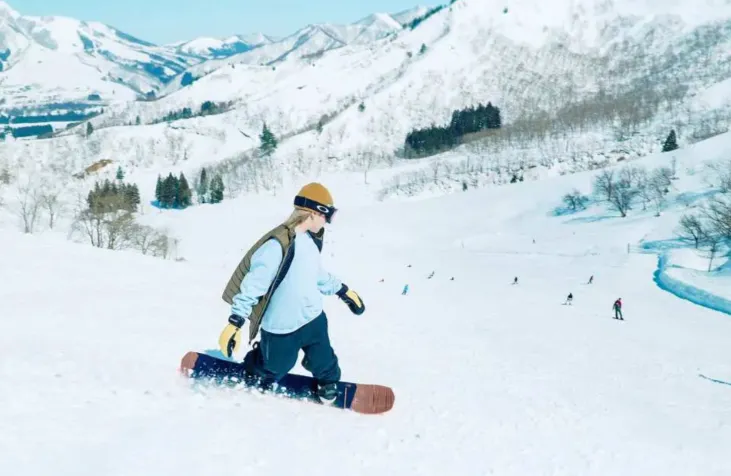
Baggage: Bulky ski/snowboard gear?
-
Option A: Use oversized luggage areas at the end of each car (free, but first-come-first-served).
-
Option B: Ta-Q-Bin your gear directly from the airport/hotel to your resort/hotel. Highly recommended.
-
Option C: Rent high-quality gear at the resort. Saves the hassle.
-
-
Timing: Friday evenings and Saturday mornings to Echigo-Yuzawa, and Sunday evenings from Echigo-Yuzawa are the absolute peak. Book everything well in advance.
-
Stay in Yuzawa Town: For a more authentic Japanese onsen and dining experience, stay in the town itself, not just at a resort. Many ryokans offer shuttle pick-up from the station.
-
Check GALA Yuzawa's Status: Its opening/closing season is heavily dependent on snowfall. Check the official website if traveling early or late in the season.
Part 8: Joetsu Shinkansen Q & A
Is the Joetsu Shinkansen covered by JR Pass?
Yes, both nationwide and JR East regional passes are valid.
Can I reserve seats in advance?
Yes, up to one month before departure.
Is it beginner-friendly for foreign travelers?
Absolutely. Signage, announcements, and ticket machines are English-friendly.
Is there Wi-Fi and power?
Yes! Every seat on the E7 Series trains (Ordinary, Green, and GranClass) is equipped with its own power outlet. JR-East Free Wi-Fi is available throughout the train, though it can be spotty when passing through the many tunnels in the mountains.
Can I eat and drink on the train?
Absolutely. Eating an Ekiben (station bento) is a highlight of the experience. You can also bring your own alcohol. Just remember to take your trash with you—there are bins located in the vestibules between cars.
Are there food trolleys on the Joetsu Shinkansen?
Generally, no. In-car sales are rare or non-existent on most Joetsu services in 2026. You should buy your food and drinks at Tokyo, Omiya, or Niigata station before you board.
Do I need to reserve a seat?
Most trains have Non-Reserved cars (usually Cars 1–5), so you can just hop on with a base ticket. However, during peak winter weekends or holidays (New Year/Golden Week), these cars fill up fast. For peace of mind, a reservation (about ¥530 extra) is highly recommended.
What if I miss my reserved train?
If you have a reserved seat ticket and miss your train, you can usually board a later train on the same day, but you must sit in the Non-Reserved section. You cannot "transfer" your reservation to a new seat for free once the train has departed.
Can I use my Suica/PASMO card?
Only if you register it for the "Touch de Go" service at a JR East ticket machine first. You cannot simply tap-and-go like a local subway without this one-time registration.
Does the snow cause many delays?
Rarely. The Joetsu Shinkansen was built specifically for heavy snow. It features high-tech sprinklers that spray warm water on the tracks and specialized "snow-plow" noses on the trains. It is one of the most reliable lines in the world, even in a blizzard.
Is there a special "Ski Train"?
During winter, look for the Tanigawa service. Many of these trains go directly to Gala Yuzawa, where the station is located inside the ski resort's base center.
Are there luggage racks?
Yes, the E7 trains have large luggage racks at the ends of several cars. Unlike the Tokyo–Kyoto line, you do not need a reservation to use these racks on the Joetsu Shinkansen.
Where should I put my skis?
Many cars have dedicated vertical ski racks during the winter. If those are full, the space behind the last row of seats in each car is the best spot.
The Joetsu Shinkansen is one of the easiest and most comfortable ways to explore northern Honshu from Tokyo. With fast travel times, frequent departures, and direct access to ski resorts and coastal cities, it’s an essential route for both first-time visitors and repeat travelers to Japan.