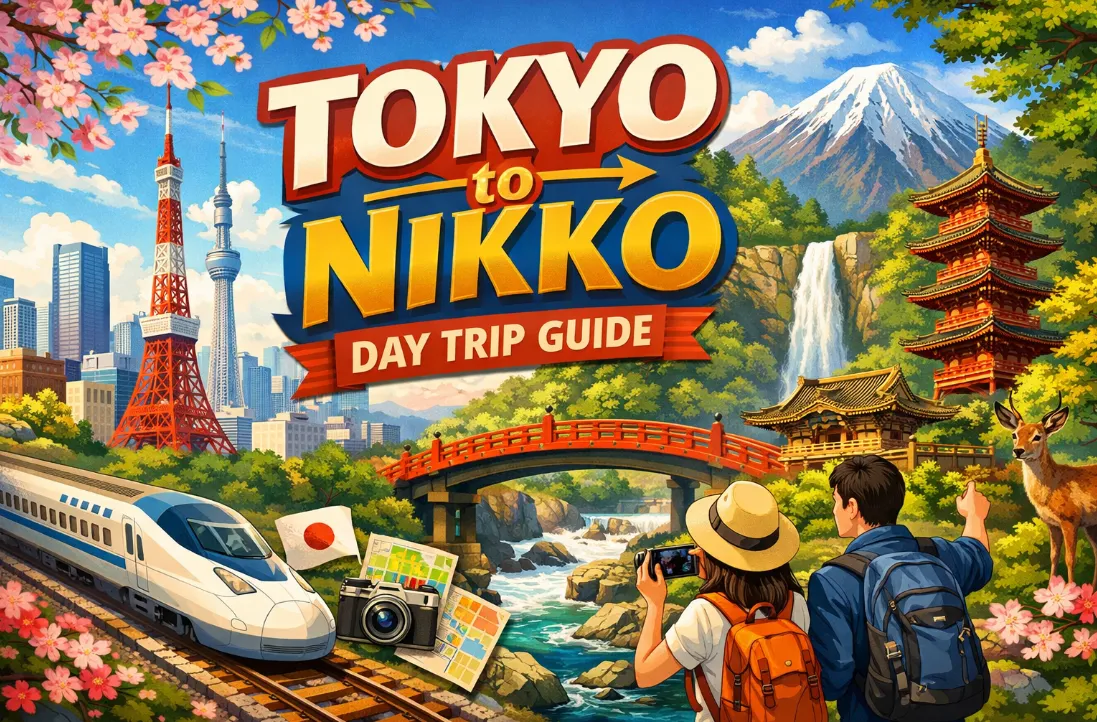
If you're looking to experience a different side of Japan beyond Tokyo’s urban energy, Nikko is an ideal destination. Known for its UNESCO-listed temples, lush nature, and seasonal beauty, it’s a place where tradition and tranquility meet. In 2026, the journey itself becomes a highlight thanks to the retro-futuristic Spacia X train. This guide covers how to book seats on this special limited express, whether the regional travel pass saves you money, and sample schedules for a seamless one or two-day adventure.
Transportation from Tokyo to Nikko
Getting to Nikko is efficient, but your choice depends heavily on whether you value luxury, speed, or budget.
Option 1: Tobu Railway (Spacia X)
‼️Best For: Travelers wanting a premium experience.
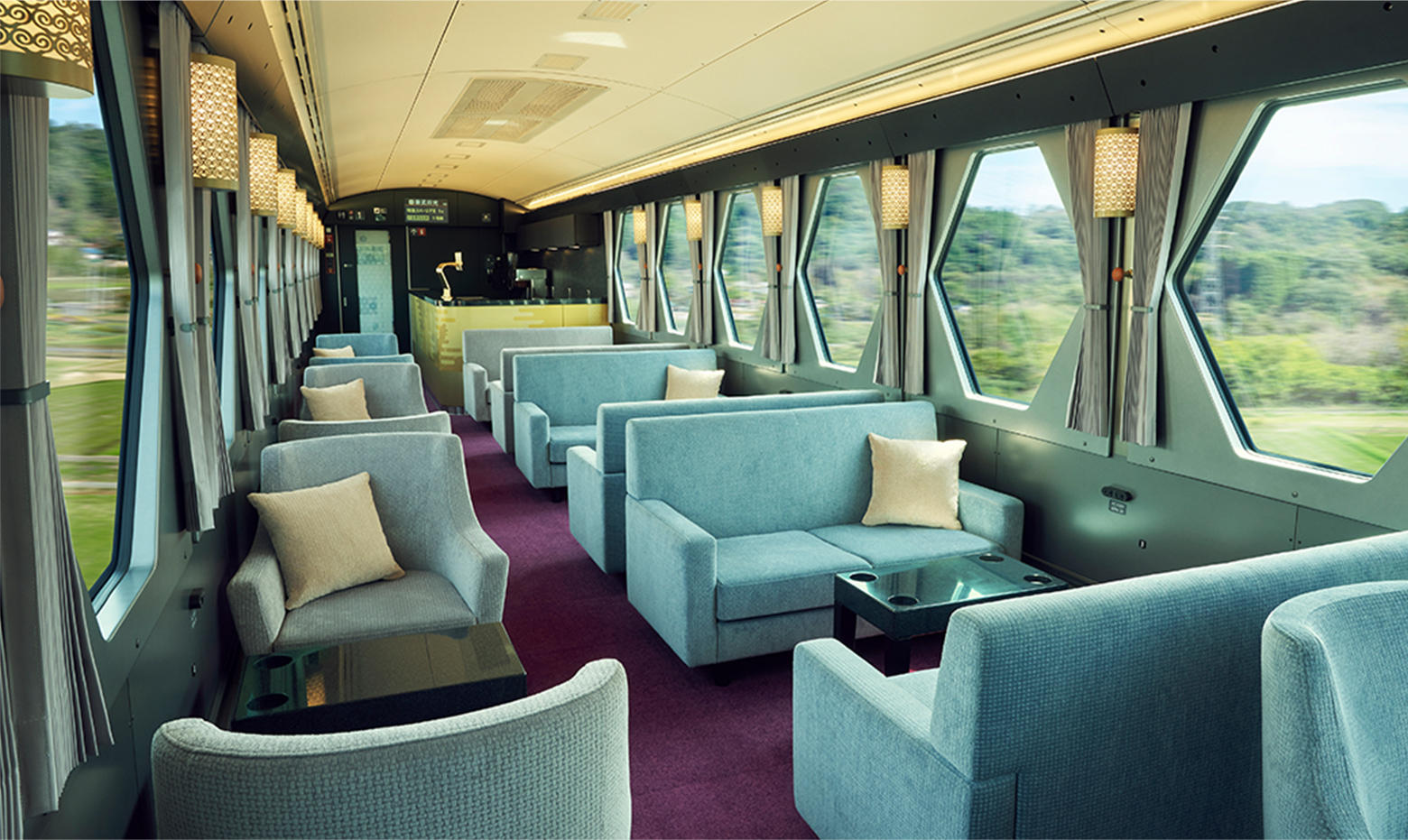
The most convenient and cost-effective way to reach Nikko is via the Tobu Railway from Asakusa Station. The limited express trains run directly from Asakusa to Tobu-Nikko Station with no transfers, taking approximately 1 hour 50 minutes to 2 hours.Tobu offers several limited express services to Nikko. The premium choice is the Spacia X Limited Express, Tobu’s sleek luxury train featuring white cars with distinctive hexagonal windows and an onboard café. It features a variety of seating options ranging from standard to private "cockpit suites."
For the fall season, boarding the SPACIA X from Asakusa in Tokyo to Nikko and Kinugawa to see the fall leaves is highly recommended. Traveling on the SPACIA X lets you enjoy an ever-changing picture-esque panoramic view of nature from the large windows. Relaxing in the luxurious seats and gazing at the beautiful autumn foliage reflected in the car windows with a coffee in your hand at the in-train café makes for an elegant and enjoyable trip.
Key Features of Spacia X Limited Express:
-
White train cars with hexagonal windows offering panoramic views.
-
Onboard café where you can purchase meals and refreshments during the journey.
-
Cockpit Suites – private compartments accommodating up to 7 people, designed as “traveling suite rooms” for groups or families.
-
Fully reserved seating with spacious, comfortable seats.
The Route & Travel Time:
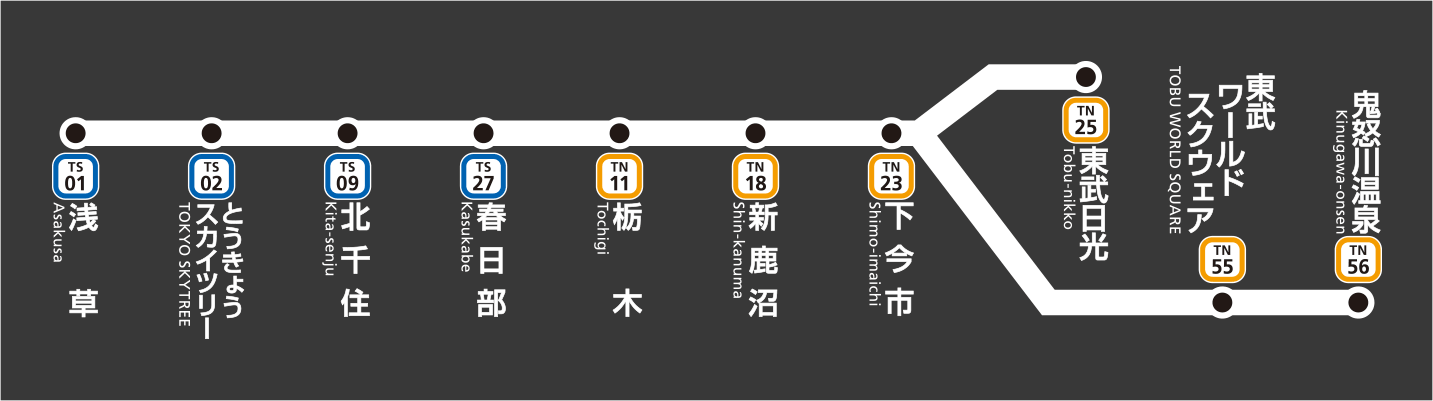
Spacia X operates on the following popular routes:
-
Asakusa → Tobu Nikko (approx. 1h 40m–1h 50m)
-
Asakusa → Kinugawa Onsen (approx. 2h 2m–2h 7m)
-
Kitasenju → Tobu Nikko (approx. 1h 35m–1h 38m)
Trains depart roughly once per hour from approximately 7:00 AM to 9:00 PM. For the most up-to-date timetable, refer to Tobu Railway‘s official timetable pages:
Downbound (Asakusa → Tobu Nikko/Kinugawa): tobu.co.jp/tcn/_assets_l/pdf/timetable1out.pdf
Upbound (Tobu Nikko → Asakusa): tobu.co.jp/tcn/_assets_l/pdf/timetable1in.pdf
Seating Classes:
-
Standard: Comfortable, high-end seating.
-
Premium: 2+1 seating with power outlets and backshell seats.
-
Cockpit Lounge: Located in Car 1, home to the GOEN CAFE (where you can try Nikko-exclusive craft beer and snacks).
Cost:
The cost of the Spacia X is split into two parts: the Base Fare (transportation) and the Limited Express Fee (your seat upgrade).The total cost depends on the type of seat you choose. All seats on the Spacia X are reserved, so you must purchase a ticket for a specific train and seat.
The total price from Tokyo to Nikko typically ranges from ¥3,340 to ¥3,920 for a standard seat, but can go much higher for luxury "Special Seats."Here is a breakdown of the different seat categories and their prices for a one-way trip from Asakusa to Tobu-Nikko.
1) The Base Fare
This is the mandatory cost to get on the tracks.This part is 100% covered if you have a Nikko Pass.
-
Adult: ¥1,400
-
Child: ¥700
2) Limited Express & Seat Fees
As of 2026, Tobu uses a Peak/Off-Peak pricing system for Limited Express tickets.The following one-way prices per person are estimated based on normal periods. Prices may be slightly higher during peak seasons such as holidays and off-seasons.For the most current fares, always check the official booking site.
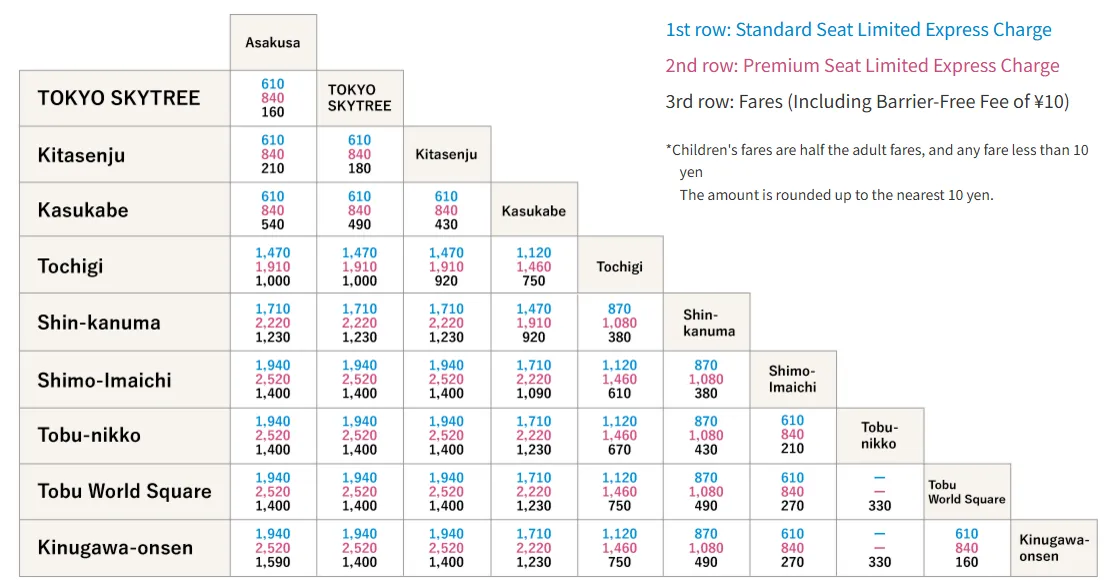
Children typically receive a significant discount (often 50%) on the base fare. However, the limited express fare for a "Standard Seat" is ¥1,940 for both adults and children, so the discount comes from the base fare.
How to Book:
Because all seats are reserved, advance booking is highly recommended, especially for weekends and during the autumn foliage season. Here is how you can secure your tickets:
-
Online (Recommended): The most convenient method. You can book through Tobu Railway's official website or trusted travel platforms like Klook or KKday, which offer user-friendly, multi-language interfaces.
-
At Stations: Ticket machines or counters at Tobu Line stations. Excluding Oshiage, Minamiyorii, Yorii, and Unmanned Stations.See here to learn how to purchase tickets at ticket machines and station counters.
-
Travel Agencies: Some travel agencies may offer packages that include Spacia X tickets and other travel essentials.See here to learn how to purchase at travel agencies.
Option 2: Shinkansen + Local
‼️Best For: Japan Rail Pass holders who want to maximize their pass's value and don't mind a transfer.
If you have a Japan Rail (JR) Pass, using JR East is a cost-effective way to reach Nikko. However, it requires a transfer.To travel from Tokyo to Nikko using the JR Shinkansen + Local Train route, you are essentially taking two different trains: the Tohoku Shinkansen to Utsunomiya and the JR Nikko Line to Nikko.
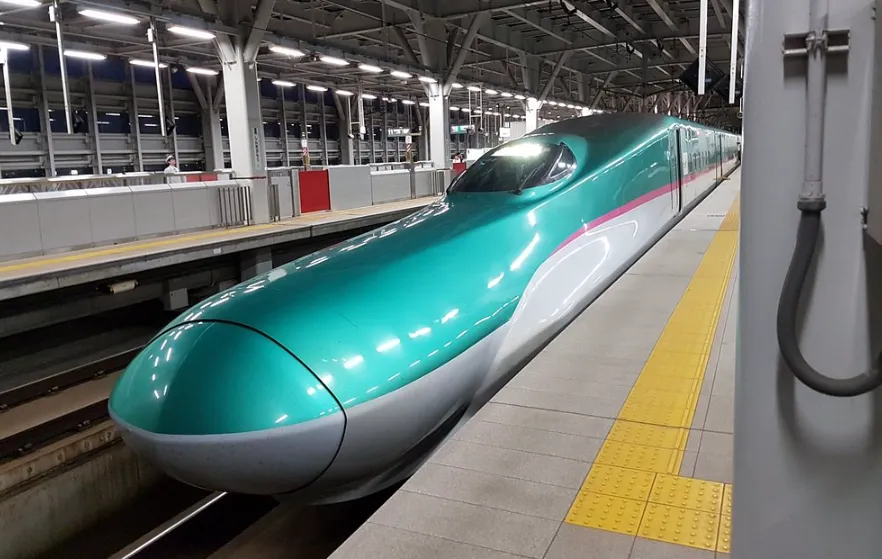
The Route & Travel Time:
-
Departure station: Tokyo Station or Ueno Station.
-
Route:
-
Take the Tohoku Shinkansen from Tokyo or Ueno Station to Utsunomiya Station.
-
Transfer to the JR Nikko Line for the final leg to Nikko Station.
-
-
Arrival station: Nikko Station. Note that this station is a 10-15 minute walk from Tobu-Nikko Station and the main temple area.
-
Travel time: Approximately 1 hour 45 minutes to 2 hours, including the transfer.
Shinkansen depart frequently (every 15–30 minutes). Local trains on the JR Nikyo Line run about once every 1–2 hours, so it's wise to check the connection time.
Cost (Without a Pass):
If you are paying out of pocket (no rail pass):
-
Tokyo to Utsunomiya (Shinkansen): ~¥4,500 – ¥5,000 (Reserved Seat).
-
Utsunomiya to Nikko (Local): ~¥770.
-
Total: Approx. ¥5,300 – ¥5,800.
How to Book:
1) Book Online (Recommended):
The official way to book JR East trains is through the JR-EAST Train Reservation website.
-
Search the Route: Select "Tokyo" or "Ueno" as your departure and "Nikko" as your destination.
-
The Transfer: The system will automatically show you a Shinkansen (e.g., Yamabiko or Nasuno) to Utsunomiya, followed by the JR Nikko Line (a local train).
-
Seat Selection: You only reserve a seat for the Shinkansen portion. The JR Nikko Line is a local commuter train and cannot be reserved—it is "first-come, first-served."
-
Payment & Ticketless Option:
-
E-Ticket: You can link your ticket to a Suica or Pasmo IC card. This is the fastest method; you simply tap your phone or card at the gates.
-
Paper Ticket: You will receive a QR code to pick up physical tickets at a JR ticket machine (look for the "Reserved Seat" machines with a passport scanner).
-
2) Book with a Rail Pass
If you are using a JR Pass or JR Tokyo Wide Pass, the journey is fully covered, but you still need a seat reservation for the Shinkansen.
-
Online: Log into the JR East portal, select "Redeem Rail Pass," and book your Shinkansen seat for ¥0.
-
At the Station: Go to any Midori-no-Madoguchi (Ticket Office) or a reserved seat ticket machine. Scan your pass and select your Shinkansen train to Utsunomiya
‼️Transportation Summary Table:
|
Feature |
Tobu Railway (Spacia X) |
JR East |
|
Departure Station |
Asakusa |
Tokyo or Ueno |
|
Arrival Station |
Tobu-Nikko (closer to sights) |
Nikko (10-15 min walk to main area) |
|
Travel Time |
1h 40m – 1h 50m |
1h 45m – 2h |
|
Transfers |
None |
1 transfer (at Utsunomiya) |
|
Best For |
Most travelers, Nikko Pass users |
Japan Rail Pass holders |
|
Reservation Needed |
Yes (Limited Express seat) |
Yes (Shinkansen seat is free with JR Pass) |
Nikko Pass: The Best Value Ticket
The Nikko Pass is an all-in-one discount travel pass designed specifically for international tourists visiting Nikko from Tokyo. It is issued by Tobu Railway and is the most cost-effective way to visit the area if you do not have a JR Pass.
There are two main versions of the pass. Both include a round-trip journey between Asakusa (Tokyo) and Nikko, plus unlimited local travel once you arrive.
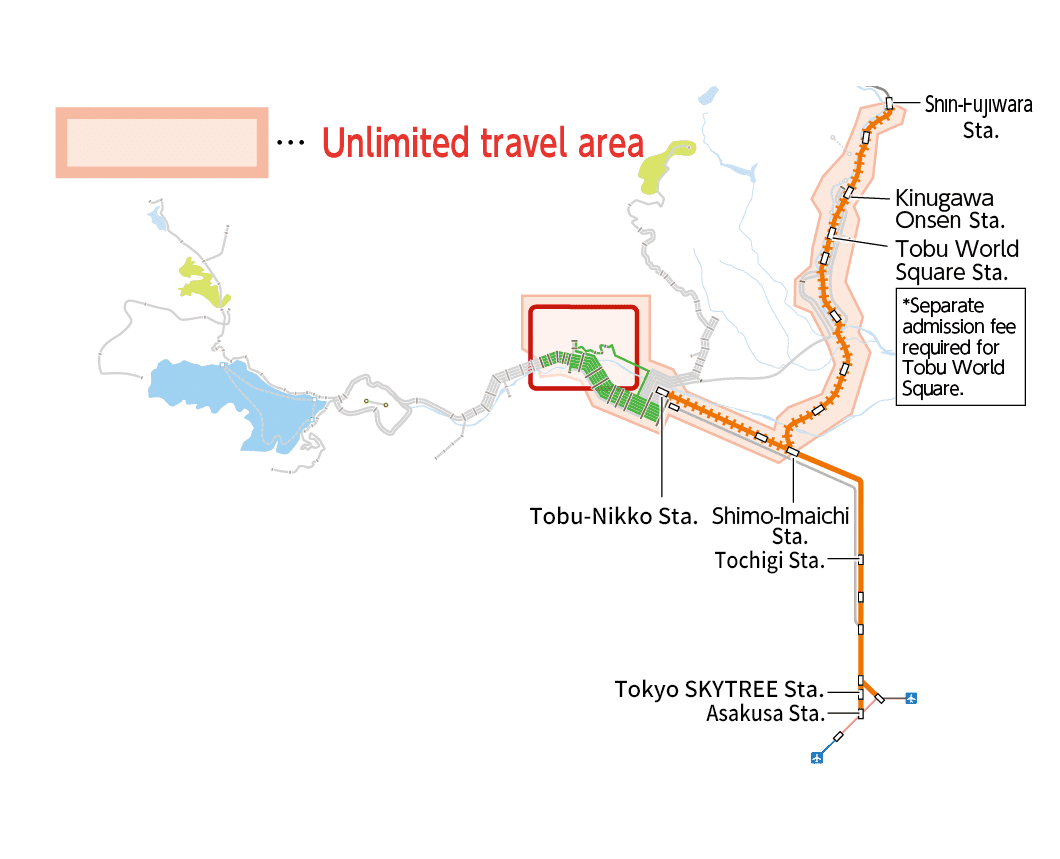
1. Nikko Pass World Heritage Area
This is the "starter" pass, perfect for a classic day trip or a quick overnight stay.
-
Price: ¥3,000 for adult; ¥1,500 for child
-
Validity: 2 consecutive days.
-
What’s Included:
-
Round-trip train from Asakusa to Nikko (standard local/express trains).
-
Unlimited use of the World Heritage Sightseeing Bus (the loop bus that takes you to Toshogu Shrine, Rinnoji Temple, and Shinkyo Bridge).
-
-
Best For: Travelers who only want to see the famous shrines and temples in the main town area.
⚠️Note: This does not cover the bus up the mountain to the waterfalls or the lake.
2. Nikko Pass All Area
This is the "full access" pass for those who want to see the natural wonders of the national park.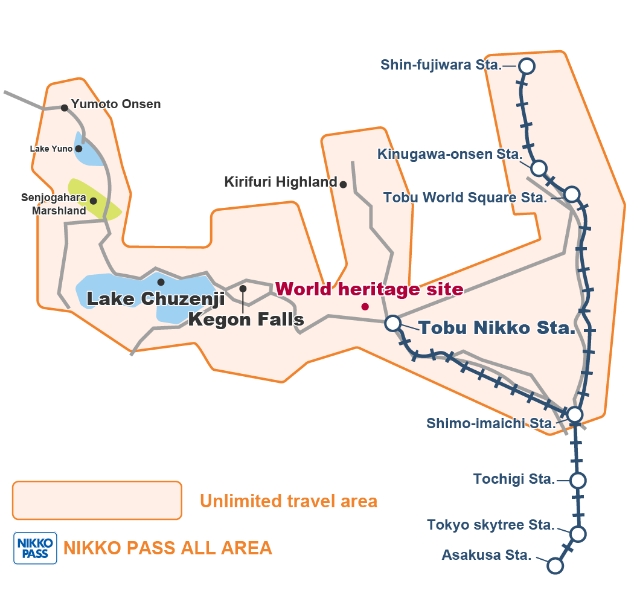
-
Price: ¥8,000 for adult; ¥4,000 for child
-
Validity: 4 consecutive days.
-
What’s Included:
-
Round-trip train from Asakusa to Nikko.
-
Unlimited use of all Tobu buses in Nikko (including the expensive route to Lake Chuzenji, Kegon Falls, and Yumoto Onsen).
-
Lake Chuzenji Cruise and the Akechidaira Ropeway (seasonal).
-
Discounts on the Nikko Edomura (Edo Wonderland) bus.
-
-
Best For: Travelers staying 1–3 nights or those doing a very ambitious day trip that includes the waterfalls.
How to Buy:
You can buy the Nikko Pass in three main ways. The most important thing to remember is that this pass is exclusive to foreign tourists, so you must have your passport (or a digital copy/photo) ready.
1) Digital Pass (Most Convenient)
This is the easiest option because you don't have to wait in line at the station. You can buy it directly on your smartphone.
-
Where: On the Tobu Railway Official Digital Ticket Website
-
How it works: After purchasing, you’ll receive a QR code. When you get to the station or board a bus, you simply log in to the website and show the animated digital ticket to the staff.
-
Advantage: You can buy it at any time, even on the morning of your trip.
2) Paper Pass at the Station (Traditional)
If you prefer a physical souvenir or don't want to worry about phone battery/data, you can buy a paper version in Tokyo.
-
Where: Tobu Tourist Information Center Asakusa (located on the 1st floor of Tobu Asakusa Station).
-
Hours: Typically 7:20 AM – 7:00 PM.
-
Alternative Locations: You can also buy it at the front desks of the AC Hotel by Marriott Tokyo Ginza or the Courtyard Marriott Ginza Tobu Hotel (no exchange voucher needed; they sell the actual pass).
3) Online Voucher (Middle Ground)
You can buy a voucher on sites like Klook or Japan Experience and then "activate" it in person.
-
How: Buy the voucher online, then take your QR code to the Tobu Tourist Information Center in Asakusa to exchange it for the physical pass.
-
Why choose this: Sometimes these platforms offer slightly better exchange rates or bundles with other activities.
Important Rules for 2026:
-
❶ Limited Express Surcharge: Neither pass covers the "Limited Express" fee for the Spacia X or other fast trains. You must pay the extra surcharge (approx. ¥1,940+) if you want to take the faster, luxury trains.
-
❷ Temple Admission: The passes cover transportation only. You still need to pay separate entry fees for the shrines (e.g., Toshogu is ~¥1,300).
-
❸ Digital vs. Paper: Most travelers now use the Digital Nikko Pass on their smartphones. You simply show a QR code to the station staff or bus driver.
-
❹ Eligibility: You must have a "Temporary Visitor" visa (foreign passport) to use these passes.
Sample Itineraries
One-Day Nikko Itinerary (World Heritage Focus)
This itinerary focuses on the UNESCO World Heritage shrines and temples, perfect for travelers who want to experience Nikko’s cultural treasures without rushing to the mountains.If you're going for a day trip, aim for a train that departs Tokyo between 7:30 AM and 8:30 AM. This gets you to the shrines before the heavy crowds arrive at 11:00 AM!
-
07:30 – Depart from Asakusa Station: Board the Spacia X or other limited express from Asakusa Station. Purchase your limited express ticket in advance.
-
09:20 – Arrive at Tobu-Nikko Station: Pick up a Nikko Pass World Heritage Area if you haven‘t already. Walk to Shinkyo Bridge (10 minutes).
-
09:30 – Shinkyo Bridge: Take photos of this iconic vermilion bridge spanning the Daiya River.
-
10:00 – 13:00 – Toshogu Shrine: Explore Japan’s most ornate shrine complex. Don’t miss the Yomeimon Gate, the three wise monkeys (see no evil, hear no evil, speak no evil), the sleeping cat carving, and the climb to Ieyasu‘s tomb.
-
13:00 – Lunch in Nikko: Try yuba (tofu skin) dishes, Nikko’s local specialty, at a restaurant near the shrine area. A yuba set meal typically costs ¥1,500–¥3,000.
-
13:45 – 15:30 – Futarasan Shrine & Rinno-ji Templ: Visit these two other World Heritage sites, both within walking distance of Toshogu.
-
15:30 – 16:30 – Taiyuin Temple or Nikko Tamozawa Imperial Villa: The Imperial Villa is Japan’s largest surviving wooden residence of its kind.
-
16:30 – Stroll through Nikko’s town center: Browse souvenir shops and sample local treats like yuba manju (sweet bean buns with yuba).
-
17:30 – Depart from Tobu-Nikko Station: Return to Asakusa on the limited express.
-
19:20 – Arrive back in Tokyo
Two-Day Nikko Itinerary (World Heritage + Oku-Nikko)
This itinerary allows you to explore both Nikko’s cultural heritage and its magnificent mountain scenery.
Day 1: World Heritage Area
-
08:00 – Depart from Asakusa on Spacia X
-
10:00 – Arrive & Check into Ryokan (if staying overnight): Drop luggage at your accommodation (recommend staying near Tobu-Nikko Station).
-
10:30 – Shinkyo Bridge & Toshogu Shrine (2–3 hours)
-
13:30 – Lunch near the shrine area
-
14:30 – 16:30 – Futarasan Shrine, Rinno-ji Temple & Taiyuin Temple
-
17:00 – Check into hotel & relax
-
18:30 – Dinner in Nikko: Enjoy a kaiseki dinner if staying at a ryokan, or try local restaurants serving yuba cuisine.
-
Evening – Onsen (hot spring) soak: Many hotels in Nikko have natural hot spring baths.
Day 2: Oku-Nikko
-
07:30 – Breakfast at hotel
-
08:30 – Bus to Oku-Nikko (approx. 50 minutes from Tobu-Nikko Station)
-
09:30 – Kegon Falls: Take the elevator down to the observation deck for close-up views of the 97-meter cascade.
-
10:30 – Lake Chuzenji: Walk along the lake shore, rent a rowboat, or take a sightseeing cruise.
-
12:00 – Lunch at Lake Chuzenji area: There are several restaurants near the lake and waterfall.
-
13:00 – Ryuzu Falls & Senjogahara Marshland (if time permits): Take a bus further up to Ryuzu Falls, then walk the marshland trail.
-
15:00 – Depart Oku-Nikko by bus back to Tobu-Nikko Station
-
16:00 – Souvenir shopping before catching the train
-
17:00 – Depart Tobu-Nikko Station
-
19:00 – Arrive back in Tokyo
Practical Tips
-
Book Spacia X tickets in advance: Especially during autumn foliage season and weekends, seats sell out quickly.
-
Start early: The first limited express from Asakusa departs around 6:30 AM. An early start maximizes your sightseeing time.
-
Check bus schedules: Buses to Oku-Nikko run less frequently in winter; plan accordingly.
-
Bring a power bank: Your phone will get heavy use for navigation, photos, and tickets.
-
Consider an overnight stay: While a day trip is possible, staying overnight allows you to experience Nikko at a more relaxed pace and enjoy a hot spring bath.
-
Overcrowding: Nikko is extremely popular. Aim to be at Toshogu Shrine by 9:00 AM to beat the tour buses.
-
Cash is King: While the Nikko Pass is digital, small shops and temple charms often require physical yen.
-
Weather: Nikko is significantly cooler than Tokyo. Even in spring or autumn, bring an extra layer.If visiting in Jan–Mar, Oku-Nikko is significantly colder and snowier than Tokyo. Pack heavy layers.
-
Digital Tickets: Buy the Nikko Pass digitally via the Tobu website or Klook to skip the long queues at the Asakusa tourist center.
-
The "Irohazaka" Hairpins: The bus ride to the lake involves 48 sharp turns. If you get motion sickness, sit near the front of the bus.
Frequently Asked Questions (FAQ)
Is Nikko worth a day trip from Tokyo?
Yes—it's one of the top cultural + nature escapes near Tokyo.
Can I use a Japan Rail (JR) Pass on Spacia X?
No, the Japan Rail Pass is not valid on the Tobu Railway, which operates the Spacia X.
Can I buy temple entrance tickets with the Nikko Pass?
No. The Nikko Pass is a transportation-only pass. In 2026, admission to Toshogu Shrine is ¥1,600 for adults.
Is the Akechidaira Ropeway open in 2026?
No. A major renovation project has the Akechidaira Ropeway closed from January 16, 2026, until August 31, 2027.
Is the Nikko Pass better than the JR Pass?
It depends on your starting point:
-
Use the Nikko Pass if you are starting from Asakusa or want to use the luxury Spacia X. It is significantly cheaper than buying individual bus and train tickets.
-
Use the JR Pass if you already have one and are staying near Tokyo Station or Ueno. It covers the Shinkansen to Utsunomiya, but it does not cover the local buses in Nikko (which can cost ¥2,000+ per day). You’ll still need to buy a local "Bus-Only Pass" at Nikko Station.
Can I use my Suica/Pasmo card instead?
Yes. You can tap your IC card at the gates for the Base Fare (¥1,400). However, this does not give you the free local bus travel that the Nikko Pass provides. If you plan to take more than two buses in Nikko, the pass is always the better deal.
Is there a direct bus from Tokyo to Nikko?
There are highway buses (e.g., from Tokyo Station or Shinjuku) that take about 2.5–3 hours, but they are generally slower and less comfortable than the train. For most travelers, the train is recommended.
How early should I arrive at Asakusa Station?
Arrive at least 15-20 minutes before your scheduled departure, especially if you need to pick up reserved tickets or find your platform. Asakusa Station is large but well-signposted.
What is the best time of year to visit Nikko?
-
Autumn (mid-October to early November): Stunning fall foliage, but very crowded.
-
Spring (late April to early May): Cherry blossoms, pleasant weather.
-
Summer (June–August): Cooler than Tokyo, but rainy season in June/July.
-
Winter (December–February): Fewer tourists, snow-covered temples, but some bus routes have reduced schedules.
Which station is closer to Nikko’s shrines – Tobu-Nikko or Nikko Station?
Tobu-Nikko Station is closer. It is about a 10-minute walk to the Shinkyo Bridge and the World Heritage area. Nikko Station (JR) is about a 10-15 minute walk further, or a short bus ride away.
Final Thoughts
Nikko offers a remarkable escape from Tokyo‘s urban energy, delivering world-class cultural heritage and stunning mountain scenery in a single trip. The Spacia X limited express makes the journey itself an experience worth having, while the Nikko Pass ensures you get excellent value for your transportation. Whether you choose a fast-paced day trip or a leisurely two-day exploration, Nikko rewards visitors with some of Japan’s most unforgettable sights.