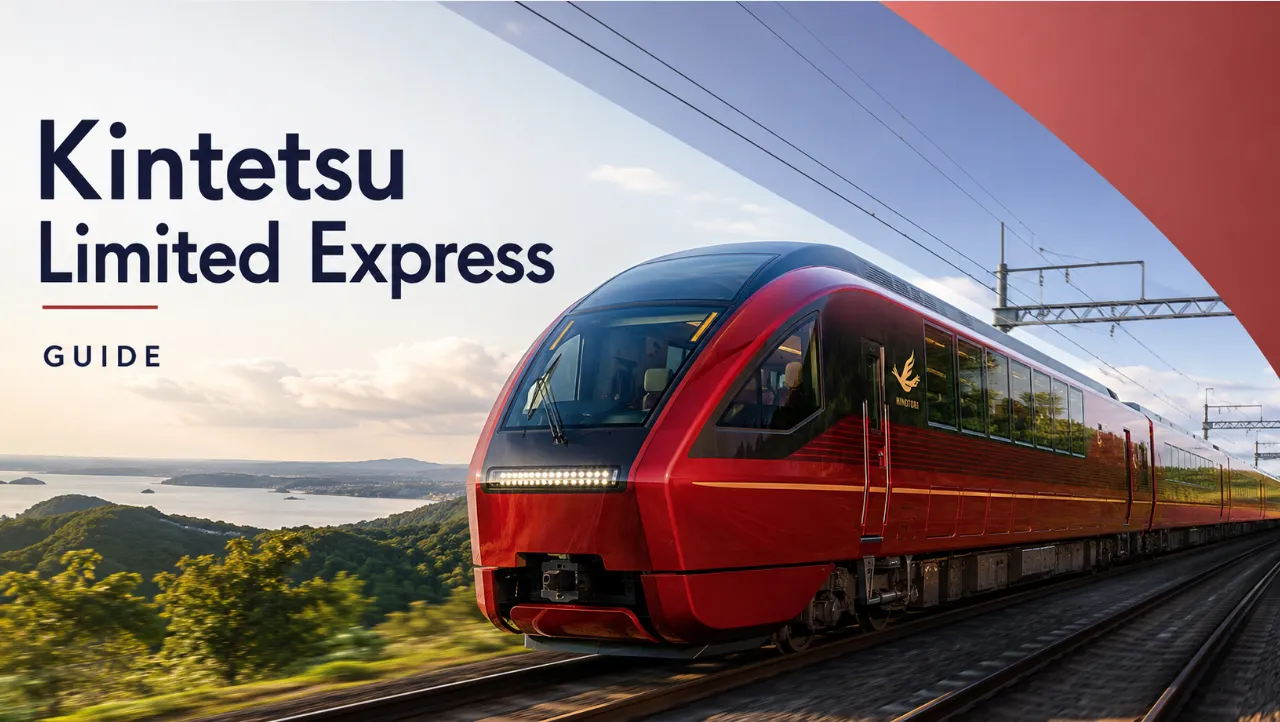
For many travelers exploring Western Japan, the bullet train is the default choice. But savvy globetrotters know that the Kintetsu Railway offers a much more scenic, comfortable, and often more affordable way.Japan's Kintetsu Railway connects many of the country's most popular destinations, including Osaka, Kyoto, Nara, Nagoya, and the scenic Ise Peninsula. For visitors unfamiliar with the system, the combination of basic fares, surcharge tickets, and optional reservations can be confusing at first.Why do you need two tickets? Does a rail pass cover the train? Are special sightseeing trains worth the extra fee?This guide explains everything you need to know before boarding, from choosing the right train type to making seat reservations and avoiding unnecessary expenses, helping you travel more efficiently throughout the Kintetsu network.
What is Kintetsu Limited Express?
The Kintetsu Limited Express is a premium, reserved-seat intercity train network operated by Kintetsu Railway, Japan’s largest private rail network. It connects major cities in the Kansai and Chubu regions, including Osaka, Kyoto, Nara, Nagoya, and the Ise-Shima peninsula, often with fewer transfers and lower costs than the Shinkansen.It is one of the easiest and most comfortable ways to travel around western Japan.
Unlike ordinary commuter trains, Limited Express services offer:
-
Guaranteed reserved seating
-
Larger reclining seats
-
Faster travel times
-
Luggage racks
-
Deluxe and premium seating options on selected trains
All Kintetsu Limited Express trains require seat reservations.There are no unreserved cars on Kintetsu Limited Express trains.
1. The Two-Ticket System
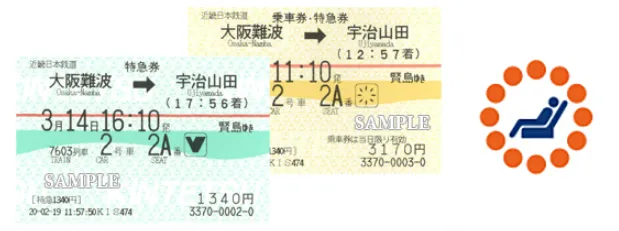
The most common mistake travelers make on the Kintetsu line is thinking a single ticket or rail pass covers everything. To ride a Limited Express (Tokkyu) train, you must pay for two completely distinct components:
-
Basic Fare Ticket (Jousha-ken): The cost of moving your body from Point A to Point B. This can be covered by a regular paper ticket, tapping an IC Card (like Suica, Pasmo, or Icoca), or a Kintetsu Rail Pass.
-
Limited Express Ticket (Tokkyu-ken): The surcharge for speed and a guaranteed, reserved seat. All seats on Kintetsu Limited Express trains are 100% reserved. There are no unreserved cars.
⚠️ Warning: If you board a Limited Express train with only an IC card or a basic Rail Pass, you are missing the second ticket. You will be stopped by the conductor and forced to pay the Limited Express fee in cash or credit on board.
2. The Network and Main Routes
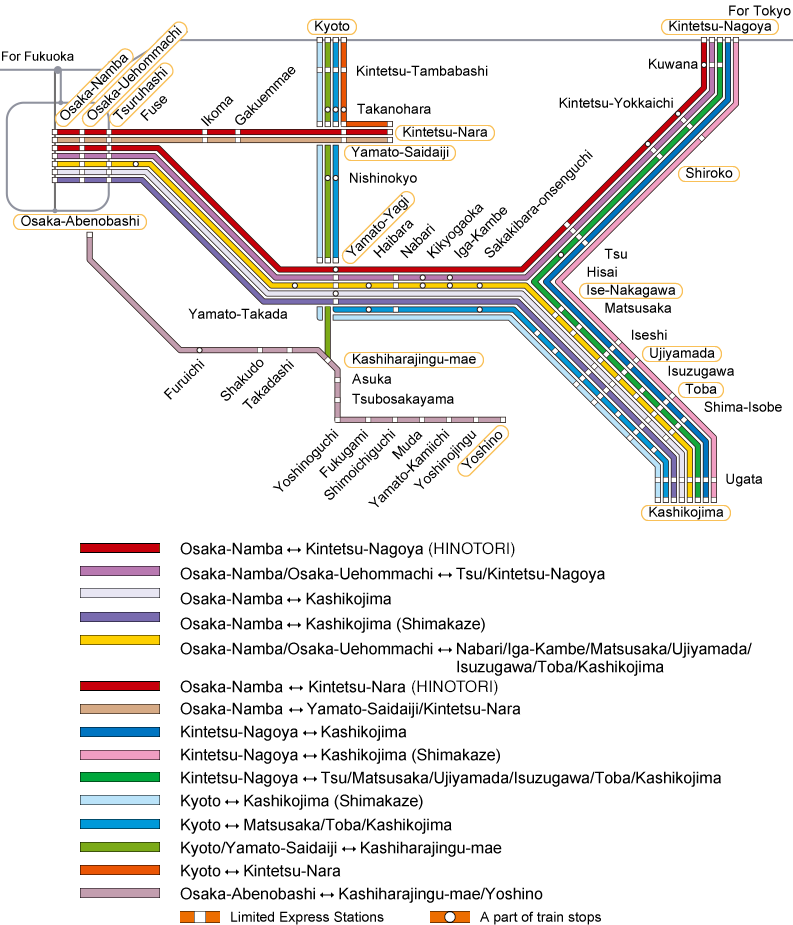
The Kintetsu Limited Express network is Japan's largest private railway system, effectively acting as a "regional bullet train" network for the Kansai and Chūbu regions. Unlike the JR Shinkansen, which focuses on long-distance trunk lines, Kintetsu’s network is designed to link historical and cultural hubs with high-frequency, comfortable express service.
1) The Core Network Structure
The network is anchored by three major city hubs: Osaka, Kyoto, and Nagoya. From these points, Kintetsu radiates out into the Kansai Peninsula, specifically serving Nara, Mie (Ise-Shima), and the mountainous Yoshino region.
2) Key Hub Stations
When looking at a route map, these are the "connectors" where you will likely switch lines:
-
Osaka-Namba: The main gateway for the Osaka side. Connects to the Hanshin Line (for Kobe).
-
Osaka-Uehommachi: The historical headquarters and a major starting point for trains heading toward Ise-Shima.
-
Yamato-Saidaiji: The "nerve center" of the Nara network. Almost all trains between Kyoto, Nara, and Osaka pass through or connect here.
-
Ise-Nakagawa: The critical junction where the Osaka Line and Nagoya Line merge. If you are traveling between Nagoya and Ise-Shima, you will likely switch trains or pass through here.
-
Kashiharajingu-mae: The transfer point for entering the Yoshino mountain region.
>>Click here for more informations
3. Iconic Premium Trains
While standard Limited Express trains are comfortable, Kintetsu operates several flagship "Sightseeing" and "Premium" trains. These require a Special Vehicle Surcharge on top of the standard limited express fee.
|
Train Name |
Primary Route |
Signature Vibe / Key Features |
|
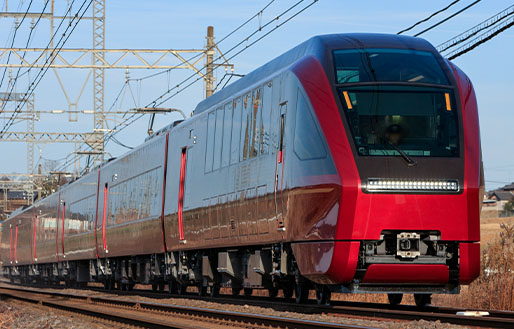
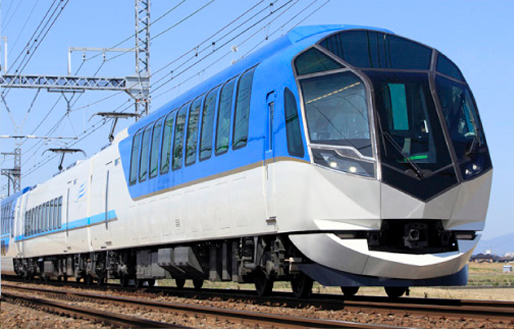
HINOTORI (Premium Express)
|
Osaka-Namba↔Nagoya |
Sleek metallic-red design. Premium cars feature cream leather power-reclining seats with a hard shell (recline without bothering the person behind you). Self-serve coffee station onboard. |
|
SHIMAKAZE (Sightseeing Express)
|
Osaka/Kyoto/Nagoya ↔ Kashikojima (Ise-Shima) |
Ultra-luxury sightseeing train. Features a two-story café car serving Matsusaka beef curry, private Japanese/Western rooms, and premium leather seats with built-in back massagers. |
|
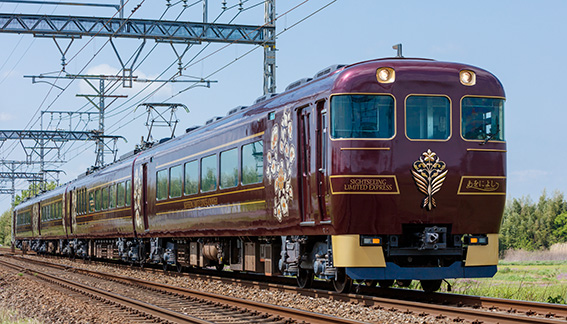
AONIYOSHI (Sightseeing Express)
|
Osaka-Namba ↔ Kintetsu-Nara ↔ Kyoto |
Stunning imperial-purple exterior. Retro-modern interior designed to reflect Nara's historic Tempyo period. Features cozy face-to-face twin seats and salon booths for groups. |
|
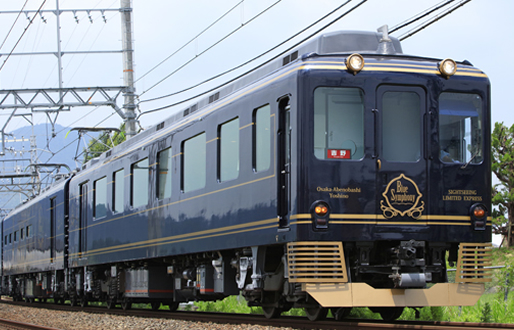
Blue Symphony
|
Osaka-Abenobashi ↔ Yoshino |
Retro wooden cruiser designed for travelers visiting the cherry blossoms of Mt. Yoshino. Includes a bar car serving local sake and sweets. |
|
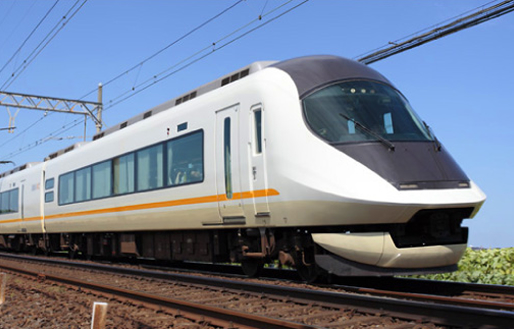
Urban Liner (Plus / Next)
|
Osaka-Namba ↔ Kintetsu-Nagoya |
The classic workhorse of the Osaka-Nagoya route. Comfortable, efficient, and slightly cheaper than the Hinotori. |
>>Click here for more informations
How to Book & Purchase Tickets?
Because all seats on Kintetsu Limited Express trains are reserved, you must book in advance. Popular trains like the Shimakaze and Aoniyoshi sell out rapidly.There are three primary methods to purchase Limited Express tickets, each suited to different travel styles.
A. Online Booking (Highly Recommended)
This is the most convenient method, allowing you to secure seats in advance.
-
Where: You can reserve and purchase tickets at the official Kintetsu website.
-
When: Tickets go on sale from 10:30 AM (Japan time) , exactly one month before the date of travel.
-
Payment: Credit card only.
-
Key Features:
-
Flexible Changes: You can change your reserved train up to three times free of charge before departure. This is excellent for unexpected schedule changes.
-
Choose Your Seat: You can manually select your preferred train, carriage, and specific seat using an interactive seat map.
-
Ticket Type: You will receive a QR code on your smartphone (e-ticket). There is no need to pick up a physical ticket.Just keep the confirmation email/QR code on your phone, tap your standard IC card at the ticket gates to clear the basic fare, and sit in your assigned seat.
-
⚠️ Note: The security QR code automatically refreshes every 5 minutes, so you must have an active internet connection (e-SIM or pocket Wi-Fi) when scanning through the gates.
Kintetsu also offers a free official app (近鉄アプリ), which provides train information and can be used for ticket purchases. However, for the simplest English experience, the website is recommended. The app is useful for receiving push notifications about train services.
B. Purchase at a Station
If you haven't booked online, you can purchase tickets at stations where Limited Express trains stop.
-
Ticket Counter: Visit the ticket counter at major stations. Tell the staff your departure date, train, departure and destination stations, and number of passengers. You can pay with cash or credit card.
-
Ticket Vending Machine: There are dedicated Limited Express ticket vending machines on station platforms. These machines allow you to select your train section and seat, and you can pay with cash, credit card, or IC card.
>>Click here for more informations
C. OTA / Linktivity Platforms
Starting March 24, 2026, Kintetsu launched the "Digital Ticket with Limited Express Ticket" bundle. Available via global booking partners (such as Linktivity and major OTAs), travelers can now purchase their base fare ticket and their reserved Limited Express seat simultaneously in a single online transaction before arriving in Japan.
Summary of Key Route Fares (Sample Pricing)
The total cost of a trip is the "Basic Fare" + "Limited Express Surcharge". The Limited Express surcharge varies based on distance and the type of train or seat class.Fares below are estimates for 2026. Be sure to check the booking portal for exact seasonal pricing.
-
Osaka-Namba to Kintetsu-Nara (Aoniyoshi):
-
Base Fare: 680JPY
-
Limited Express + Special Fee: 1,000JPY
-
Total: 1,680 JPY (Travel time: ~35 mins)
-
-
Osaka-Namba to Kintetsu-Nagoya (Hinotori - Premium Car):
-
Base Fare: 2,860JPY
-
Limited Express Fee: 2,130JPY
-
Premium Car Fee: 700JPY
-
Total: 5,690JPY (Travel time: ~125 mins)
-
-
Kyoto to Kashikojima (Shimakaze - Deluxe Seat):
-
Base Fare: 2,950JPY
-
Limited Express Fee: 2,240JPY
-
Shimakaze Special Fee: 1,050JPY
-
Total: 6,24JPY (Travel time: ~165 mins)
-
The Kintetsu Rail Pass: Types & "Hacks"
The Kintetsu Rail Pass is a digital mobile ticket offering unlimited rides on Kintetsu trains for a fixed number of days. It is exclusively available to foreign passport holders entering Japan as tourists. As of 2026, the pass is fully digital; you purchase it online, activate it on your phone, and simply scan the QR code at ticket gates. These passes cover the basic fare for unlimited travel on regular Kintetsu trains but do not automatically cover the Limited Express surcharge.
Pass Options & Cost Breakdown
|
Pass Type |
Coverage Area |
Duration |
Adult Price (Digital) |
Child Price (6–11) |
|
Osaka, Nara, Kyoto |
1 Calendar Day |
¥1,900 |
¥950 |
|
|
Osaka, Nara, Kyoto (Expanded) |
2 Consecutive Days |
¥3,700 |
¥1,850 |
|
|
Osaka, Nara, Kyoto, Mie and Nagoya |
5 Consecutive Days |
¥4,900 |
¥2,450 |
|
|
Osaka, Nara, Kyoto, Mie, Nagoya + Buses |
5 Consecutive Days |
¥6,700 |
¥3,350 |
Key "Pass Hacks" & Cost-Saving Tips
Hack #1: Don't Pay for a Limited Express Ticket If You Don't Need One
On short routes like Kyoto to Nara or Osaka-Namba to Nara, the journey by Limited Express is only ~15 minutes faster than the Express train. If you are not in a rush, skip paying the ¥520 surcharge and use your Rail Pass to take the regular Rapid Express or Express trains for free.
Hack #2: You Still Need to Pay the Surcharge for Limited Express Trains
While a Rail Pass covers the basic fare, it does NOT include the Limited Express surcharge. To board a Limited Express train with a Rail Pass, you must purchase a separate Limited Express ticket online or at a station. This is a common point of confusion.
Hack #3: Use the Pass for the Most Expensive Leg
The best way to maximize your pass is to use it on the longest, most expensive journeys. For example, a one-way trip from Osaka-Namba to Kashikojima in Ise-Shima costs around ¥3,500 for the basic fare alone. A 5-day Rail Pass (which covers that route) can pay for itself with just one round-trip between Osaka and the Ise-Shima region.
The pass might not be worthwhile if your itinerary includes only short trips within a single city (e.g., only between Osaka and Nara). For such cases, paying individual fares or using an IC card could be cheaper.
Frequently Asked Questions
Do I need a ticket for Kintetsu Limited Express?
To board a Limited Express train, be sure to purchase a Limited Express ticket in addition to a basic fare ticket. A Limited Express ticket is valid only for the designated train. The conductor may inspect your basic fare ticket and Limited Express ticket during your journey.
Can I use Suica for Kintetsu Limited Express?
Yes, you can use your Suica card for the Kintetsu Limited Express, but only to cover the base fare. Because all Limited Express trains require a reserved seat, you must purchase an additional Limited Express Ticket (seat reservation) before boarding.
What is the difference between Kintetsu express and limited express?
The Kintetsu Railway operates two main fast services: the Express and the Limited Express. The core difference is that the Limited Express requires an extra fee and guarantees a reserved seat, while the standard Express requires only a basic ticket and is essentially a fast commuter train.
Is food served on Kintetsu Limited Express?
Yes. In the Cafe Car, you can enjoy light meals and drinks made of specialties along the railway line while watching the scenery unfold through the windows.
Can I change my reservation?
Yes.Online reservations can generally be changed up to three times before departure through the reservation system.Refunds are available before departure, subject to handling fees.
Is Kintetsu Limited Express covered by JR Pass?
No.Kintetsu is a private railway company.JR Pass cannot be used.
Is the Kintetsu Rail Pass worth it for one day?
It depends. The 1‑Day Pass (limited to Osaka/Nara/Kyoto) costs around ¥1,800. If you make 3+ separate rides, it may pay off. But for simple round trips (e.g., Osaka–Nara return), paying individual fares or using an IC card is often cheaper.
Can I bring food and drink on board?
Yes. Eating and drinking are allowed. Many trains have vending machines; the HINOTORI has a small café area. Please clean up after yourself and take trash off the train.
Are children's tickets cheaper?
Yes. For both basic fare and Limited Express surcharge:
-
Children (6–11 years) : ~half the adult price
-
Infants/toddlers (1–5) : free if no seat; if you want a reserved seat, a child ticket is required.
Is there free Wi-Fi on board?
Yes, on many Limited Express trains, including the HINOTORI and Shimakaze. Look for the network name on signage inside the carriage.
Is there an extra fee for large luggage?
No. Kintetsu Limited Express trains do not charge extra for standard suitcases or oversized luggage (unlike some Shinkansen). However, space is limited; keep bags near your seat or in overhead racks.
What happens if I miss my reserved train?
Your reserved seat is void. You can try to book a seat on a later train at the station ticket counter or vending machine – but you will need to pay a new Limited Express fare (no automatic transfer).