Traveling beyond central Tokyo opens the door to some of Japan’s most rewarding destinations—from Mt. Fuji and Nikko to Karuizawa and the Izu Peninsula. For visitors planning multiple day trips, choosing the right rail pass can save both time and money.Enter the JR Tokyo Wide Pass, the ultimate travel hack for anyone looking to maximize their 3-day adventure in the Kanto region. Whether you're dreaming of the snowy slopes of Gala Yuzawa or the historic shrines of Nikko, this regional rail pass offers unlimited train travel at a fraction of the cost of individual tickets. In this detailed overview, I examine the pass’s value—what destinations are included, how much it costs, and the best ways to book it. Plus, get inspired with our selection of top-tier routes and schedules designed to help you experience the perfect blend of cities, hot springs, and natural wonders within a budget-friendly timeframe.
What is the JR Tokyo Wide Pass?
The JR Tokyo Wide Pass is a special discounted rail pass offered by JR East (East Japan Railway Company) that allows unlimited travel on most JR trains, including some bullet trains (Shinkansen), within a designated area around Tokyo for 3 consecutive days.It's designed for foreign visitors to Japan (both tourists and temporary visitors) to explore the greater Kanto region beyond central Tokyo.The pass is great for day trips from Tokyo to popular destinations like Nikko, Kawaguchiko (Mt. Fuji area), Karuizawa, Kusatsu Onsen, Gala Yuzawa, and more.
‼️Key Features:
-
Duration & Eligibility: Valid for 3 consecutive days, exclusively for non-Japanese passport holders.
-
Extensive Coverage: Unlimited rides on JR East lines, including Shinkansen (Tohoku, Hokuriku, Joetsu) and Limited Express trains, plus Narita Express (N'EX) and Tokyo Monorail.
-
Beyond JR: Covers specific private railways to destinations like Fuji Five Lakes (Fujikyu Railway), Izu Peninsula (Izu Kyuko Railway), and Nikko/Kinugawa (Tobu Railway).
-
Destinations: Ideal for day trips to Mt. Fuji, Nikko, Karuizawa, GALA Yuzawa, Izu, and Haneda/Narita airports.
-
Seat Reservations: Includes free seat reservations for limited express/Shinkansen (though some trains require them), which can be booked online or at stations.
-
Cost-Effective: At around 15,000 yen, it's a great value for extensive travel in the Kanto area, often paying for itself in just a couple of trips.
-
Exclusions: Does not cover the Tokaido Shinkansen (Tokyo to Osaka/Kyoto) or Green Car (First Class) seats.
‼️Key Information at a Glance:
|
Feature |
Details |
|
Price |
15,000 yen (Adults) / 7,500 yen (Children 6-11) |
|
Validity |
3 consecutive days |
|
Eligibility |
Must be a foreign visitor entering Japan with a "Temporary Visitor" status (stamp/sticker in passport, typically for 90-day tourism stays).Japanese citizens residing abroad may be eligible if they meet certain conditions (e.g., permanent resident of another country). Proof is required. |
|
Main Coverage |
Shinkansen, Limited Express, and Local JR trains in the Kanto area |
|
Not Covered |
Tokaido Shinkansen (Nozomi/Hikari) |
|
Good Uses |
This pass can save money if you plan multiple long trips (e.g., Tokyo → Nikko, Tokyo → Mount Fuji area, Tokyo → Karuizawa) in a 3-day period — regular ticket prices for just one of these can approach or exceed the pass price. |
The Coverage Area (Key Destinations Included)
With the JR Tokyo Wide Pass, you can enjoy unlimited rides on JR East lines, including Shinkansen, limited express trains, and local trains within the designated area.
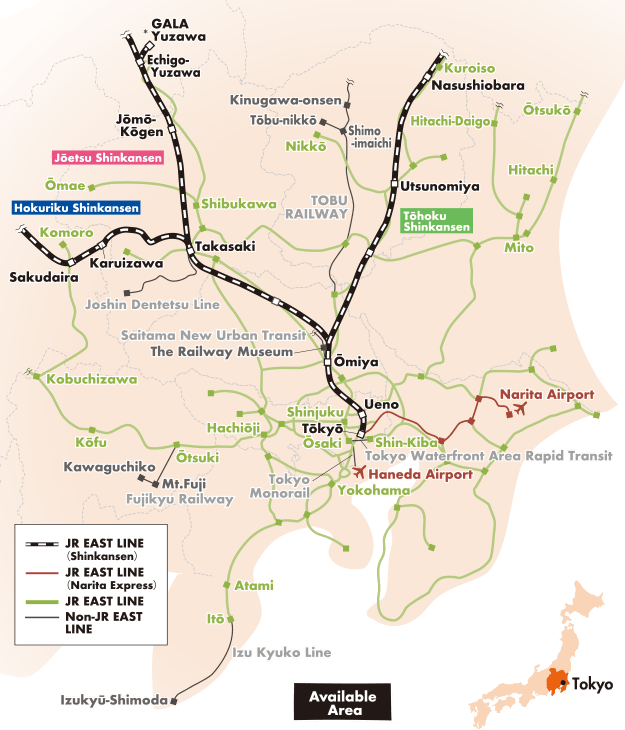
✔️What It Covers:
-
JR EAST Lines
-
Tokyo Monorail
-
Izu Kyuko Line
-
Fujikyu Railway Lines
-
Joshin Dentetsu Line
-
Saitama New Urban Transit (Omiya - the Railway Museum)
-
Tokyo Waterfront Area Rapid Transit Line (Rinkai Line)
-
Reserved seats in ordinary cars of the following express trains with through operations between JR EAST and Tobu Railway lines: Nikko, Kinugawa, and SPACIA Kinugawa trains.
-
You can also use regular trains (including rapid trains) from Shimo-imaichi to Tobu-nikko and Kinugawa-onsen on the Tobu Railway line.Between Kurihashi and Shimo-imaichi, you can only use limited express trains that run through to Tobu Railway.
The only express trains that can be used with JR Kyoto Wide Pass are those that run from JR lines to TOBU RAILWAY. Limited express trains that depart from or terminate at TOBU RAILWAY stations cannot be used. (If you are using a limited express train at Tochigi Station, Shimo-imaichi Station, Shin-kanuma Station, Tōbu-nikkō Station, Tobu World Square Station, or Kinugawa-onsen Station, either the starting station or the ending station must be a JR station.)
The pass pays for itself very quickly. For example, a single round-trip from Tokyo to Karuizawa or Nikko via Shinkansen usually costs nearly the same as the entire 3-day pass.
❌Not covered:
-
Tokaido Shinkansen (to Kyoto/Osaka) and high-speed Hayabusa/Komachi services.
-
Tokyo subway/metro lines and buses/ferries.
-
Some special reserved seats on Fujikyu/Izu Kyuko trains require extra fees.
🚊Popular Destinations You Can Visit:
-
Mt. Fuji & Kawaguchiko: Includes the Fuji Excursion limited express.
-
Nikko: Famous for its shrines and autumn colors.
-
Gala Yuzawa: A ski resort with its own Shinkansen station (seasonal).
-
Karuizawa: A popular mountain resort for shopping and nature.
-
Izu Peninsula: Famous for hot springs and ocean views (Atami, Ito, Shimoda).
-
Kamakura & Yokohama: Great for quick day trips from central Tokyo.
How to Buy and Use?
🛒 Phase 1: How to Buy
You have two main options to purchase the pass. Regardless of the method, you must have your physical passport (with a valid "Temporary Visitor" stamp/sticker or a long-term visa—the pass is open to all non-Japanese passport holders).
A. Before You Arrive (Online Purchase)
-
Online (Official): Purchase via the JR-EAST Train Reservation website.
-
Benefit: You can book your seat reservations online at the same time.
-
-
Online (Agency): Buy through platforms like Klook, Traveloka, or KKday, Trip.com. You will receive a QR code via email.
After booking,you’ll receive a reservation confirmation or voucher.Pick up the physical pass in Japan at a designated JR station after arriving.
-
Process:
-
Select "English" and then "Pick up tickets."
-
Select "JR-EAST Train Reservation" or scan your Agency QR code.
-
Scan your passport (the page with your photo).
-
The machine will print your pass (a small card-sized ticket).
-
>> Stations where passes can be picked up
B. In Japan – At the Station
Go to a JR East Travel Service Center (located at Narita/Haneda airports, Tokyo, Shinjuku, Ueno, etc.) or use a Reserved Seat Ticket Vending Machine with a passport reader.A passport is required for purchases. You cannot receive a pass if you only have a copy of your passport.
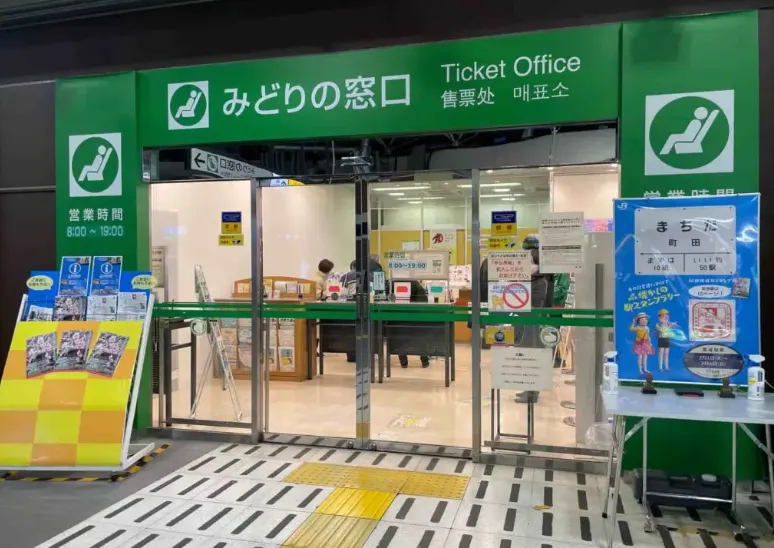
>>Find a Travel Service Center where you can purchase a pass
💺 Phase 2: How to Make Seat Reservations
Reservations for Shinkansen and Limited Express trains (like the Fuji Excursion) are free with this pass.You can reserve seats:
-
At the Machine: Insert your JR Tokyo Wide Pass into a green "Reserved Seat" machine, select your destination/time, and it will print a separate "Seat Ticket."
-
At the Counter: Show your pass to a staff member at any Midori-no-madoguchi (Ticket Office).
-
Online: If you bought the pass on the official site, you can book seats before arriving and pick them up along with your pass.
🔔Tip: Especially during busy travel seasons, reserve early to guarantee seats.
🚉 Phase 3: How to Use the Pass
Passes can be used within the period of validity from their specified start date. Please use the automatic ticket gate machines at stations.
-
Automatic Gates: Simply insert your physical pass into the slot at the ticket gate. Don't forget to pick it up as it pops out on the other side!
-
Ticket Inspections: If a conductor asks for your ticket on a Shinkansen or Limited Express train, show them both your JR Tokyo Wide Pass and your Seat Reservation Ticket.
-
Private Lines: For lines like the Fujikyu Railway or Izukyu, you may need to show your pass to a staff member at a manual gate if the automatic ones don't accept it.
⁉️When to Set the Start Date?
At the time of pickup or activation, you’ll choose the first day your pass will be valid. After that:The pass is valid for 3 consecutive calendar days — midnight to midnight.Plan your itinerary so your biggest trips fall within those three days for maximum value.
>>Click here for more information
Changes and Refunds
1. Changes
-
Before Pickup/Activation: If you bought the pass online but have not collected it yet, you generally cannot "change" the dates. Instead, you must cancel your original order and purchase a new one with the correct dates.
-
After Pickup: Once the physical pass is in your hands, the validity period cannot be changed. The 3-day window printed on the ticket is final.
-
Seat Reservations: Unlike the pass itself, seat reservations can be changed as many times as you like for free, provided the train has not yet departed. You can do this at a JR Ticket Office or a vending machine.
2. Refund Policy & Fees
Refunds are only possible under specific conditions:
|
Status of Pass |
Refund Eligibility |
Handling Fee |
|
Unused & Before Start Date |
Yes |
10% of the pass price (approx. ¥1,500) |
|
On or After Start Date |
No |
100% (No refund possible) |
|
Pass is Lost or Stolen |
No |
N/A (No reissuance) |
|
Train Delays/Natural Disasters |
No |
N/A (JR does not refund for delays) |
⚠️Note:
① If you have already made seat reservations, you must cancel all of them before you can apply for a refund of the pass itself.
② If you cancel your trip to Mt. Fuji, please cancel your seats! Because the Fuji Excursion is a "all-reserved" train, holding seats you don't use prevents others from traveling. You can do this easily at any JR ticket machine.
📍 Where to Get a Refund:
The process depends on where you originally bought the pass:
-
Bought on JR-East Website: You can process the refund directly through your online account (before picking up the ticket). If you have already picked it up, you must go to a JR East Travel Service Center.
-
Bought via Agency (Klook, etc.): You must contact the agency directly. If you have already exchanged the voucher for the actual pass in Japan, the agency can no longer help—you must go to a JR Ticket Office.
-
In-Person Purchase: Visit any major JR East Ticket Office (Midori-no-madoguchi) or Travel Service Center. You will need to present your passport and the credit card used for the purchase.
High-Value Itineraries
To maximize the value of your JR Tokyo Wide Pass , you should aim for destinations where the round-trip cost exceeds the pass price. In 2026, a single round-trip to Karuizawa or Nikko via Shinkansen already covers about 70–80% of the cost.
Here are three high-value 3-day itineraries designed to give you the best "bang for your buck."
Option 1: The "Nature & Icons" Route
Best for first-timers who want the most famous views.
-
Day 1: Mt. Fuji (Kawaguchiko)
-
Take the Fuji Excursion (Limited Express) from Shinjuku.
-
Value: ~¥8,200 round trip.
-
-
Day 2: Nikko World Heritage
-
Take the Nikko/Kinugawa Limited Express or Shinkansen via Utsunomiya.
-
Value: ~¥8,000–¥10,000 round trip.
-
-
Day 3: Kamakura & Enoshima
-
Take the JR Yokosuka Line or Shonan-Shinjuku Line.
-
Value: ~¥2,500 round trip (low, but great for a relaxing final day).
-
-
Total Value: ~¥20,700 (You save over ¥5,000)
Option 2: The "Alpine & Snow" Route
Best for winter/spring (Dec–May) or those who love mountain resorts.
-
Day 1: GALA Yuzawa (Skiing/Snow)
-
Take the Joetsu Shinkansen directly to the ski resort (only 75 mins).
-
Value: ~¥14,000 round trip.
-
-
Day 2: Karuizawa (Shopping & Nature)
-
Take the Hokuriku Shinkansen. Visit the outlet mall and Old Ginza street.
-
Value: ~¥11,500 round trip.
-
-
Day 3: Kusatsu Onsen
-
Take the Limited Express Kusatsu to Naganohara-Kusatsuguchi, then a local bus (bus not covered, ~¥700).
-
Value: ~¥10,000 round trip.
-
-
Total Value: ~¥35,500 (You save over ¥20,000!)
Option 3: The "Coastal & Onsen" Route
Best for a slower pace and scenic ocean views.
-
Day 1: Izu Peninsula (Shimoda/Atami)
-
Take the Saphir Odoriko or Odoriko Limited Express.
-
Value: ~¥12,000 round trip (to Shimoda).
-
-
Day 2: Hitachi Seaside Park (Ibaraki)
-
Take the Limited Express Hitachi to Katsuta Station.
-
Value: ~¥7,600 round trip.
-
-
Day 3: Airport Transfer + Tokyo Loop
-
Use the Narita Express (N'EX) for your departure and the Yamanote Line for final sightseeing.
-
Value: ~¥3,500+.
-
-
Total Value: ~¥23,100 (You save over ¥8,000)
📢 Pro-Tips for 2026:
-
The Haneda Hack: Start your pass on the day you arrive at Haneda. The Tokyo Monorail and JR lines to your hotel are covered, immediately starting your "3-day" clock.
-
Winter Special: During winter, look for the "Gala Yuzawa" discount vouchers often provided at the ticket counter when you pick up your pass.
-
Golden Week / New Year: If traveling during peak holidays, reserve your Shinkansen seats at least 2 weeks in advance online.
Frequently Asked Questions (Q & A)
Q: Can I use it for Haneda Airport?
A: No – use the Keikyu Line or Tokyo Monorail (not covered).
Q: Can I go to Kyoto with this pass?
A: Absolutely not – that requires the nationwide JR Pass or separate tickets.
Q: Is it valid on all trains to Nikko?
A: Only on JR lines – you'll transfer to Tobu line at no extra cost for final leg.
Q: Is the pass valid for 72 hours or 3 calendar days?
A: 3 calendar days. The pass is valid from the morning of Day 1 until the last train on Day 3. It is not a 72-hour timer; if you start using it at 8:00 PM on Friday, that Friday still counts as a full day.
Q: Can I break the 3 days?
A: No – consecutive days only.
Q: Is the Ghibli Museum train covered?
A: Yes – JR Chuo Line to Kichijoji + bus to museum.
Q: Can I ride without reserving a seat?
A: Yes. You may use non-reserved cars on eligible trains. Just board the correct car and show/insert your pass at the gate.
Q: Can I change the start date after activation?
A: No. Once activated, the start date and validity period cannot be changed.
Q: What if I lose my pass?
A: Lost or stolen passes cannot be reissued. You would need to buy a new one.
Q: Is the JR Tokyo Wide Pass better than Suica or PASMO?
A: They serve different purposes:
-
Tokyo Wide Pass: Best for long-distance day trips.
-
Suica / PASMO: Best for daily city transport on subways, buses, and short JR rides.
Most travelers use both.
Q: Can multiple people share one pass?
A: No. Each pass is personal and non-transferable. Only the passport holder can use it.
Q: Can I use this pass for the Shinkansen to Kyoto or Osaka?
A: No. This is the most common mistake. The pass only covers the Hokuriku, Joetsu, and Tohoku Shinkansen within the Kanto region. The Tokaido Shinkansen (to Kyoto/Osaka) is operated by a different company (JR Central) and is not included.
Q: Can I use the Tokyo Subway (Metro)?
A: No. The pass only covers JR-operated lines (like the Yamanote or Chuo lines) and a few specific private lines (like the Tokyo Monorail and Fuji Kyuko). To use the Tokyo Metro or Toei Subway, you will need a Suica/Pasmo card or a separate Subway Pass.
Q: Are "Green Cars" (First Class) included?
A: No. The pass covers Ordinary Class only. If you wish to ride in a Green Car or GranClass, you must pay the full limited express and Green Car surcharges separately.
Final Verdict: The JR Tokyo Wide Pass is a fantastic value if your itinerary fits its coverage. It transforms Tokyo from a single destination into a hub for exploring the diverse Kanto region with speed and convenience. Always map your intended trips and calculate individual fares before purchasing!