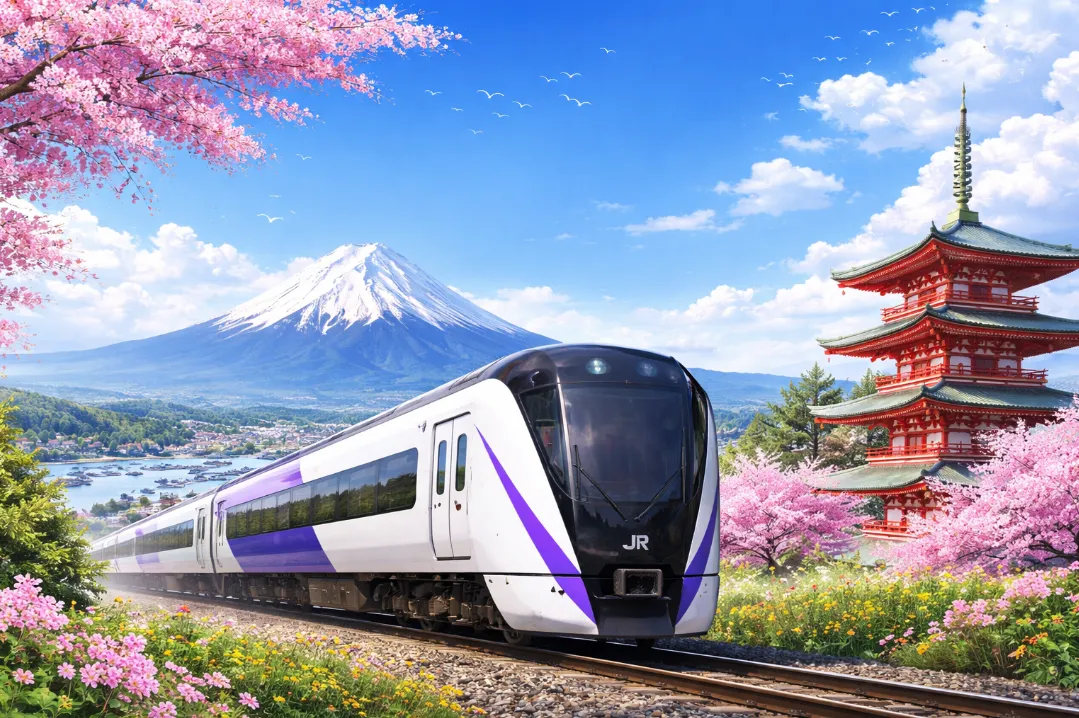
Visiting Mount Fuji is high on most travelers’ Japan bucket lists, but figuring out the best way to get there can be confusing. Fortunately, a direct rail option offers a fast and comfortable connection from central Tokyo to popular Fuji-area destinations. This article breaks down ticket options, reservation strategies, seating choices, and insider tips to help you plan a stress-free trip and make the most of your time near Japan’s most famous peak.
What Is the Fuji Excursion Train?
- ➤ Route: Shinjuku → Kawaguchiko
- ➤ Travel time: ~1 hour 55 minutes
- ➤ Transfers: None
- ➤ Train type: E353 series limited express
Launched in 2019, the JR Fuji Excursion (Fuji Kaiyu) is a direct, limited express train service operated by JR East and Fujikyu Railway, connecting Tokyo’s Shinjuku Station to Kawaguchiko Station at the base of Mount Fuji in about 2 hours.It is one of the easiest and most comfortable ways to travel from Tokyo to the Mt. Fuji area—no transfers, no confusion, just a smooth ride straight to Kawaguchiko. If you're planning a day trip or overnight visit, this limited express train saves time while offering scenic views along the way.
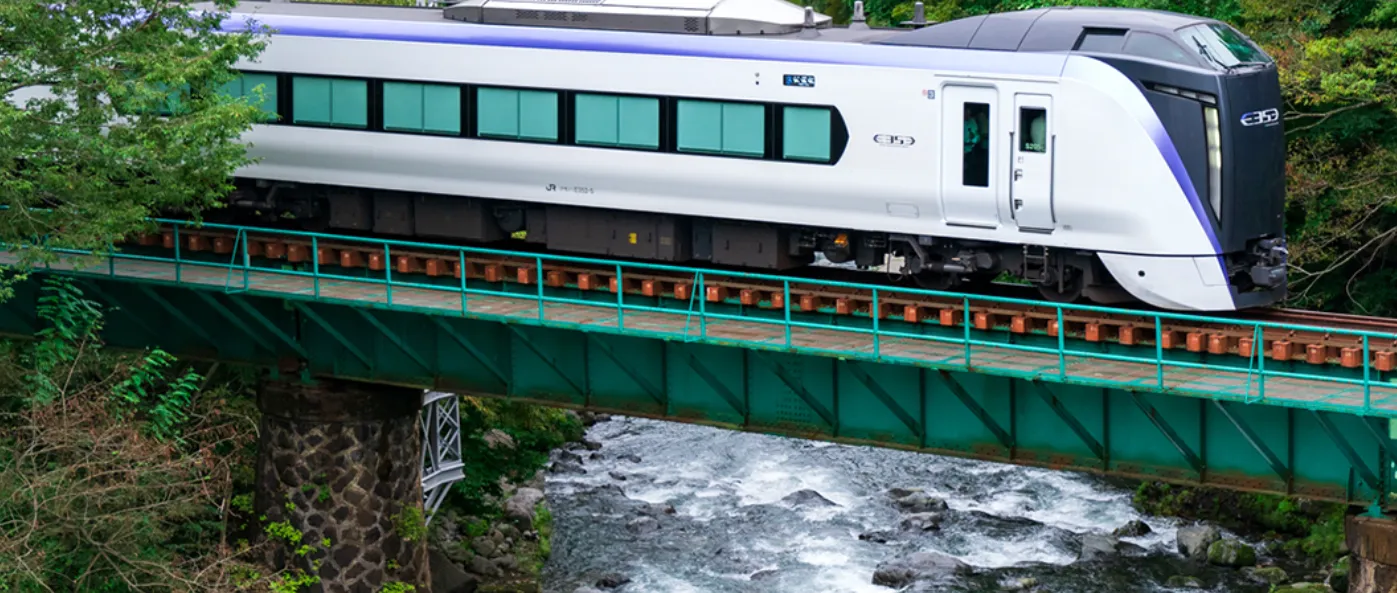
How the Train Works:
The Fuji Excursion is unique because it is a "joint operation" between two different companies: JR East and Fujikyu Railway.
-
The Route: It starts on the JR Chuo Line and then physically moves onto the private Fujikyu Railway tracks at Otsuki.
-
The "Coupling" Trick: When leaving Shinjuku, the Fuji Excursion (Cars 1–3) is actually attached to the back of another train, the Azusa or Kaiji. At Otsuki Station, the trains decouple; the Azusa/Kaiji continues toward Matsumoto, while the Fuji Excursion heads south to the mountain.
-
The Train Model: It uses the modern E353 series, known for its sleek "Alps white" design, oscillating tilting system for smooth curves, and comfortable interior.
Onboard Amenities:
-
Power Outlets: Available at every single seat.
-
Wi-Fi: Free "JR-EAST FREE Wi-Fi" is available throughout the train.
-
Luggage Space: Large dedicated racks are located at the ends of the cars for suitcases, plus standard overhead racks.
-
Seating: Features a 2+2 layout with adjustable headrests and tray tables.
Route & Main Stops
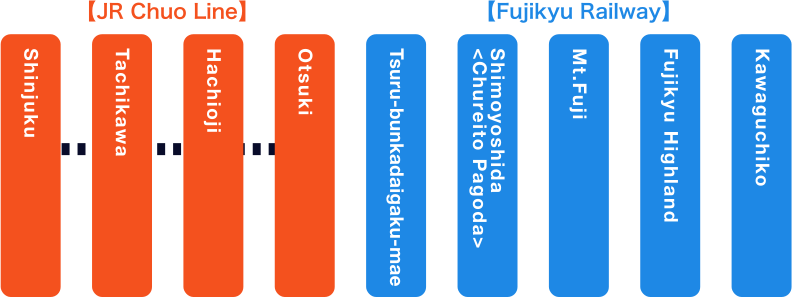
The Fuji Excursion route is a seamless journey that spans two different railway systems: the JR Chuo Line and the Fujikyu Railway.The train follows this specific path, with the most important tourist stops highlighted:
|
Station |
Notable For |
|
Shinjuku |
The main departure hub in central Tokyo. |
|
Tachikawa |
A major suburban hub in West Tokyo. |
|
Hachioji |
The final major city stop before heading into the mountains. |
|
Otsuki |
The "Switch" Point. The train moves from JR tracks to Fujikyu tracks. |
|
Tsuru-bunkadaigaku-mae |
Primarily serves the local university. |
|
Shimoyoshida |
Top Tourist Stop: Access to the Chureito Pagoda. |
|
Mt. Fuji (Fujisan) |
The main station for Fujiyoshida City and climbing buses. |
|
Fuji-Q Highland |
Drops you right at the entrance of the amusement park. |
|
Kawaguchiko |
Final Destination: Gateway to Lake Kawaguchi and the Five Lakes. |
Key Points Along the Route:
-
The Decoupling at Otsuki: If you are watching from the platform at Otsuki, you can see the Fuji Excursion (Cars 1–3) physically detach from the Azusa or Kaiji train.
-
🔔Pro Tip: If you are boarding at Shinjuku, make sure you are in Cars 1, 2, or 3. The other cars (4–12) will head to a completely different destination (Matsumoto/Kofu) after Otsuki!
-
-
The Switchback at Mt. Fuji Station: When the train arrives at Mt. Fuji (Fujisan) Station, it hits a dead end. The driver will change ends, and the train will physically reverse direction for the final 5-minute leg to Fuji-Q and Kawaguchiko. Don't be alarmed when you suddenly start moving "backward"!
-
Best Views: For the best view of Mt. Fuji as you approach, try to book a seat on the left side (Seat A) when traveling from Shinjuku.
Strategic Stops for Tourists:
-
Get off at Shimoyoshida if your goal is the famous "Pagoda + Mountain" photo. It’s about a 15–20 minute uphill walk from the station.
-
Stay until Kawaguchiko if you want to take the "Mt. Fuji Panoramic Ropeway," go on a lake cruise, or transfer to the Omni Bus lines that circle the lakes.
2026 Timetable & Frequency
The Fuji Excursion typically runs 4 round trips daily, with more services added on weekends, public holidays, and during peak seasons like Cherry Blossom (late March–mid-April), Golden Week (late April–early May), summer, and autumn foliage.Here are the timetable from March 14, 2026 onwards:
<Weekdays Down Train>
|
STATION |
Weekdays |
||||
|
FUJI EXCURSION NO.3 |
FUJI EXCURSION NO.7 |
FUJI EXCURSION NO.11 |
FUJI EXCURSION NO.15 |
FUJI EXCURSION NO.93 ★ |
|
|
Shinjuku(departure) |
7:30 |
8:30 |
9:30 |
10:30 |
11:34 |
|
Tachikawa |
7:53 |
9:00 |
9:59 |
10:54 |
12:02 |
|
Hachioji |
8:03 |
9:09 |
10:09 |
11:02 |
12:11 |
|
Otsuki |
8:40 |
9:42 |
10:42 |
11:36 |
12:42 |
|
Tsuru-bunkadaigaku-mae |
8:57 |
9:58 |
10:59 |
11:56 |
13:00 |
|
Shimoyoshida |
9:13 |
10:13 |
11:14 |
12:12 |
13:18 |
|
Mt. Fuji |
9:23 |
10:21 |
11:23 |
12:19 |
13:25 |
|
Fujikyu Highland |
9:26 |
10:23 |
11:25 |
12:22 |
13:28 |
|
Kawaguchiko(arrival) |
9:28 |
10:26 |
11:28 |
12:24 |
13:31 |
<Weekdays Up Train>
|
STATION |
Weekdays |
||||
|
FUJI EXCURSION NO.32 |
FUJI EXCURSION NO.36 |
FUJI EXCURSION NO.94 ★ |
FUJI EXCURSION NO.44 |
FUJI EXCURSION NO.48 |
|
|
Kawaguchiko(departure) |
14:08 |
14:58 |
15:39 |
16:48 |
17:41 |
|
Fujikyu Highland |
14:11 |
15:01 |
15:42 |
16:51 |
17:44 |
|
Mt. Fuji |
14:16 |
15:06 |
15:47 |
16:56 |
17:49 |
|
Shimoyoshida |
14:21 |
15:12 |
15:54 |
17:01 |
17:54 |
|
Tsuru-bunkadaigaku-mae |
14:37 |
15:27 |
16:10 |
17:17 |
18:10 |
|
Otsuki(arrival) |
14:56 |
15:48 |
16:28 |
17:35 |
18:28 |
|
Hachioji |
15:34 |
16:24 |
17:06 |
18:11 |
19:10 |
|
Tachikawa |
15:42 |
16:32 |
17:15 |
18:20 |
19:20 |
|
Shinjuku(arrival) |
16:08 |
16:59 |
17:45 |
18:48 |
19:48 |
★Operating Dates of Fuji Excursion Trains No. 93 and 94:
-
Weekdays from Monday, March 2nd to Thursday, April 30th.
-
Every Friday from Friday, May 1st to Friday, May 29th.
-
Service will be suspended every weekday in June.
<Saturdays & Holidays Down Train>
|
STATION |
Saturdays & Holidays |
||||
|
FUJI EXCURSION NO.3 |
FUJI EXCURSION NO.7 |
FUJI EXCURSION NO.81 ★ |
FUJI EXCURSION NO.11 |
FUJI EXCURSION NO.15 |
|
|
Shinjuku(departure) |
7:30 |
8:30 |
9:02 |
9:30 |
10:30 |
|
Tachikawa |
7:53 |
8:57 |
9:30 |
9:58 |
10:53 |
|
Hachioji |
8:02 |
9:06 |
9:42 |
10:08 |
11:02 |
|
Otsuki |
8:40 |
9:42 |
10:20 |
10:42 |
11:36 |
|
Tsuru-bunkadaigaku-mae |
8:57 |
9:58 |
10:39 |
10:59 |
11:56 |
|
Shimoyoshida |
9:13 |
10:13 |
11:03 |
11:14 |
12:12 |
|
Mt. Fuji |
9:23 |
10:21 |
11:10 |
11:23 |
12:19 |
|
Fujikyu Highland |
9:26 |
10:23 |
11:13 |
11:26 |
12:22 |
|
Kawaguchiko(arrival) |
9:28 |
10:26 |
11:15 |
11:28 |
12:24 |
<Saturdays & Holidays Up Train>
|
STATION |
Saturdays & Holidays |
||||
|
FUJI EXCURSION NO.32 |
FUJI EXCURSION NO.36 |
FUJI EXCURSION NO.78 ★ |
FUJI EXCURSION NO.44 |
FUJI EXCURSION NO.48 |
|
|
Kawaguchiko(departure) |
14:08 |
14:58 |
16:12 |
16:48 |
17:41 |
|
Fujikyu Highland |
14:11 |
15:01 |
16:15 |
16:51 |
17:44 |
|
Mt. Fuji |
14:16 |
15:06 |
16:20 |
16:56 |
17:49 |
|
Shimoyoshida |
14:21 |
15:12 |
16:25 |
17:01 |
17:54 |
|
Tsuru-bunkadaigaku-mae |
14:37 |
15:27 |
16:40 |
17:17 |
18:10 |
|
Otsuki(arrival) |
14:56 |
15:48 |
17:10 |
17:35 |
18:28 |
|
Hachioji |
15:33 |
16:25 |
17:53 |
18:12 |
19:10 |
|
Tachikawa |
15:42 |
16:34 |
18:03 |
18:20 |
19:19 |
|
Shinjuku(arrival) |
16:06 |
16:58 |
18:29 |
18:46 |
19:40 |
★Operating Dates of Fuji Excursion Trains No. 81 and 78
- Every Saturday and Sunday from March 1st (Sun) to June 28th (Sun).
⚠️Note: Always check the official JR East or Fujikyu Railway website for the exact daily timetable before traveling.
Tickets & Reservations
This is the most critical part of your planning. The Fuji Excursion is a fully reserved train. There are no "non-reserved" cars where you can sit for free .
You must have a ticket to board. There are two types of tickets:
-
Reserved Seat Ticket (Recommended): Guarantees you a specific seat. Highly recommended for weekends and holidays.
-
Unreserved Seat Ticket: Allows you to board but does not guarantee a seat. If the train is full, you will have to stand for the entire 2-hour journey.
A. Ticket Pricing (One-Way)
The total cost consists of two parts: the Base Fare and the Limited Express Fee.
-
❶ Base Fare Ticket: Covers the distance traveled (like a normal train ticket).
- ❷ Limited Express Ticket: Required for faster, reserved-seat trains.
For a direct journey from Shinjuku to Kawaguchiko or Shinjuku-Shimoyoshida, these are the current rates:
|
|
Total Fare (Reserved Seat) |
Breakdown |
|
Shinjuku to Kawaguchiko |
¥4,200 |
Base: ¥2,580 + Express: ¥1,620 |
|
Shinjuku-Shimoyoshida |
¥4,010 |
Base: ¥2,390 + Express: ¥1,620 |
-
Infants (1–5): Free if they sit on your lap. If they require their own seat, you must purchase a Child ticket.
-
IC Card Discount: If you use a Suica or PASMO for the base fare and buy the express ticket separately, the total is slightly lower (around ¥4,123).
B. Rail Pass Coverage & Extra Costs
-
- Cost: ¥0 extra.
-
This is the best value for this trip. The pass covers both the JR and the private Fujikyu portions of the track.
-
- Cost: +¥1,770 (Adult) / +¥990 (Child).
-
The National JR Pass only covers the Shinjuku-to-Otsuki section. You must pay the "Fujikyu Railway" fee for the final leg. You can pay this to the conductor on the train or at the ticket office when you reserve your seat.
-
- Cost: ¥0 extra.
-
Similar to the Tokyo Wide Pass, these regional passes now fully cover the Fuji Excursion direct service.
C. How to Reserve Tickets
1. Online (Easiest)
1️⃣Official JR East Website
Use the JR-EAST Train Reservation portal. You can choose your specific seat (aim for Seat A on the left for the best mountain views!).Reservations open one month (30 days) before your travel date at 10:00 AM JST.
2️⃣Official Partners
You can book through platforms like Klook, Japan Bullet Train, or NAVITIME. You will receive a QR code to exchange for a physical ticket at the station.
2. At the Station
Use the "Reserved Seat Ticket Vending Machine" (dark blue/purple) or the "Midori-no-Madoguchi" (Green Window) ticket office.
-
Ticket Offices (Midori-no-Madoguchi): Located at major JR stations like Shinjuku. Staff can assist you, but lines can be long during peak seasons.
-
Ticket Machines: Located in the station. You can buy reserved seat tickets here, but availability is not guaranteed for same-day travel.
‼️Pickup Location: If you book via JR East or Klook, you must pick up your physical paper tickets at a JR station in Tokyo (like Shinjuku, Tokyo, or Shibuya). You cannot pick up JR tickets at Kawaguchiko or Mt. Fuji stations because they are operated by a different company.
Main Seat Types
The Fuji Excursion uses the modern E353 series train, which is designed for a balance of efficiency and high-end comfort. Unlike some other limited express trains in Japan, the seating options are very specific.
|
Seat Type |
Description |
|
Ordinary Reserved |
This is the standard and only class available for the direct Fuji Excursion cars (Cars 1–3). It features a 2+2 layout with plush, reclining seats, adjustable headrests, and a tray table. |
|
Seat Unassigned |
This is not a different "type" of seat, but a different ticket type. It allows you to board without a specific seat number and sit in any seat with a Red overhead lamp. If the lamp turns yellow or green, you must move. |
Understanding Seat Lamps:
The Fuji Excursion uses a lamp system above the seats. All seats are reserved, but you can board with an "Unassigned Seat Ticket" if reserved seats are full.
🔴 Red: Seat is vacant. You can sit here if you have an unassigned ticket.
🟡 Yellow: Seat is reserved from the next station. You will need to move soon.
🟢 Green: Seat is reserved for the current segment. Do not sit here unless it's your assigned seat.
The Luggage Rules
The Fuji Excursion train is designed primarily for passengers with standard luggage, and storage space is limited. There are no designated areas specifically for large suitcases that can be reserved in advance.
-
Overhead Racks: These are surprisingly deep (about 40 cm). Most standard "check-in" size suitcases (up to 160 cm total dimensions) will fit here if you can lift them.
-
Large Luggage Racks: There are dedicated luggage racks located at the ends of Car 1 and Car 3. These are for larger suitcases that don't fit overhead.
-
At Your Seat: There is enough legroom to keep a small carry-on or backpack at your feet without too much discomfort, but a full-sized suitcase will block the person next to you.
⚠️Important Limitations:
-
🚫 No guaranteed luggage space
-
🚫 No reservation system for baggage
-
🚫 Limited storage due to short train formation (3 cars)
This is the biggest constraint compared to buses or Shinkansen.
Frequently Asked Questions (Q&A)
Can I see Mount Fuji from the train?
Yes. Sit on the left side of the train (the "mountain side") when departing Shinjuku for the best views after Otsuki.
Is there a direct train from Tokyo Station?
No. The direct Fuji Excursion only departs from Shinjuku Station. If you are at Tokyo Station, you must take the Chuo Line (Rapid) to Shinjuku first or transfer at Otsuki.
Which platform at Shinjuku Station?
The Fuji Excursion typically departs from Platform 9 or 10 on the JR Chuo Line side. Shinjuku Station is very large and complex—arrive at least 20–30 minutes before departure to locate the platform and collect your tickets if needed.
Can I cancel my ticket?
It depends on where you booked. Many third-party booking sites (like Klook or Trainline) offer no refunds or limited changes . If you buy a paper ticket at the station, you can usually cancel it before the departure time for a fee.
Does it have a Green Car or Gran Class?
-
Green Car: Technically, the Fuji Excursion cars (Cars 1, 2, and 3) do not have a Green Car section. The Green Car is located in Car 9 of the Azusa or Kaiji train that the Fuji Excursion is attached to. However, because that train detaches at Otsuki and goes to a different destination, you cannot take a Green Car directly to Mt. Fuji.
-
Gran Class: This ultra-luxury class is exclusive to Shinkansen (bullet trains) and is not available on this route.
What if the train is sold out?
You can buy a "Seat Unassigned" ticket. This allows you to stand or sit in any seat that has a Red lamp above it. If a seat turns Green, you must move. Alternatively, you can take a regular JR Chuo Line train to Otsuki and transfer to the local Fujikyu Railway.
Is there a "Best Side" of the train to sit on?
Yes!
-
Leaving Shinjuku: Choose Seat A (Window, Left side) for the best views as you approach the mountain.
-
Leaving Kawaguchiko: Choose Seat D (Window, Right side).
Can I bring a stroller or a bike?
Yes. Strollers are free. Bicycles must be folded or disassembled and placed in a "Rinko" bike bag. Store these in the large luggage racks in Cars 1 or 3.
Can I buy a round-trip ticket?
Yes. You can purchase round-trip tickets either online or at the station. Buying a round-trip ticket ensures you have a guaranteed seat for your return journey, which is especially important on weekends and holidays when evening trains fill up quickly.
Can I bring a large suitcase (oversized luggage)?
You can, but space is very limited. There is no dedicated "oversized luggage" reservation system like on the Shinkansen (bullet train). If you are traveling with a large suitcase, board early to claim a spot in the designated luggage areas. Alternatively, consider using a luggage forwarding service (takkyubin) to send your bags directly to your hotel.
Are there restrooms on the train?
Yes. Each Fuji Excursion train is equipped with restrooms, typically located at the ends of the cars.